Two Norwell homes can look the same on paper and still sell for very different prices. If you are planning a move, that gap can be confusing. The truth is, location within town, lot features, commute access, and even utilities can shift value in meaningful ways. In this guide, you will learn how Norwell’s neighborhoods influence price, what to verify before you buy or sell, and how to use local data to your advantage. Let’s dive in.
Norwell market at a glance
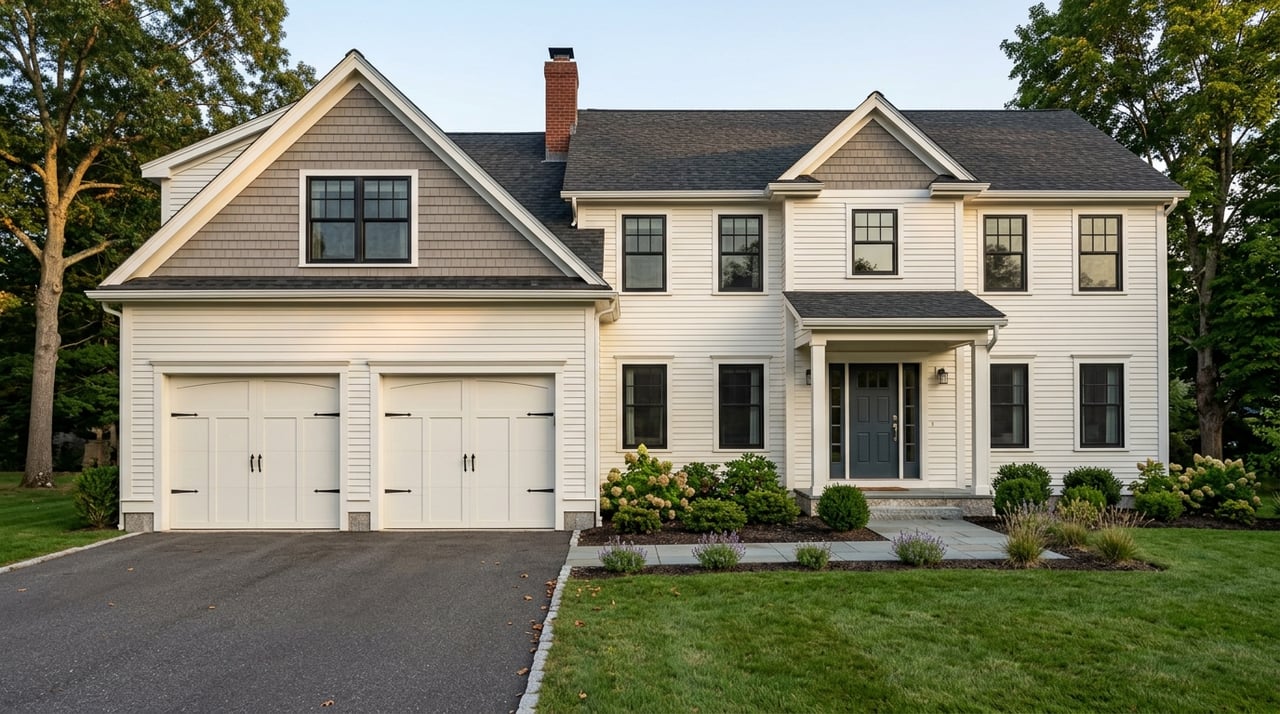
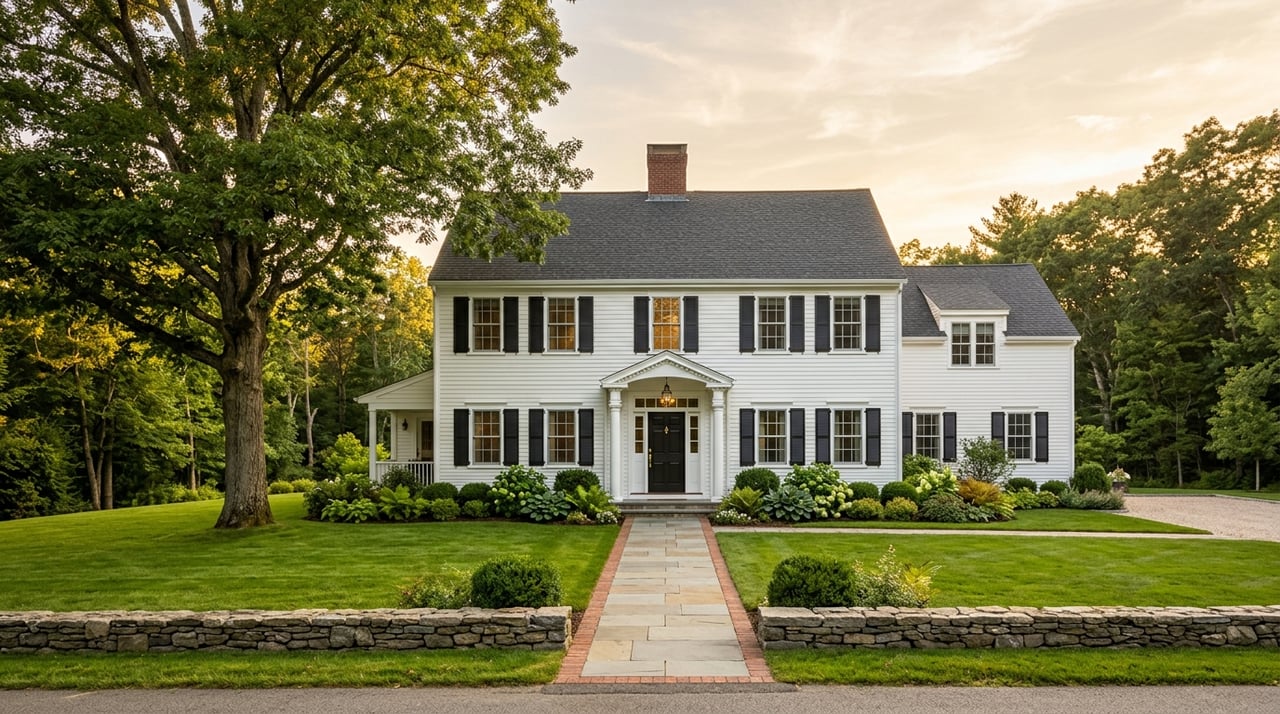
Norwell is a suburban town in Plymouth County on the South Shore. You are within commuting range of Boston, and Route 3 access shapes demand. The town is largely residential, with a mix of historic center homes, mid‑century neighborhoods, riverfront parcels, and newer subdivisions. Schools and limited new land keep supply tight, so small shifts in location and property features can have big pricing effects.
Neighborhood types that shape value
Norwell Center and nearby
- What to expect: A mix of older village homes and mid‑century houses close to the library, town hall, elementary schools, and local shops.
- Value drivers: Walkability to town services, proximity to schools, and historic character often increase buyer demand and price stability.
- Buyer profile: You may prioritize community feel and shorter trips to schools and amenities.
- Things to verify: Confirm school attendance by address with Norwell Public Schools and review any renovation permits with the Town’s Building Department.
Route 3 corridor access
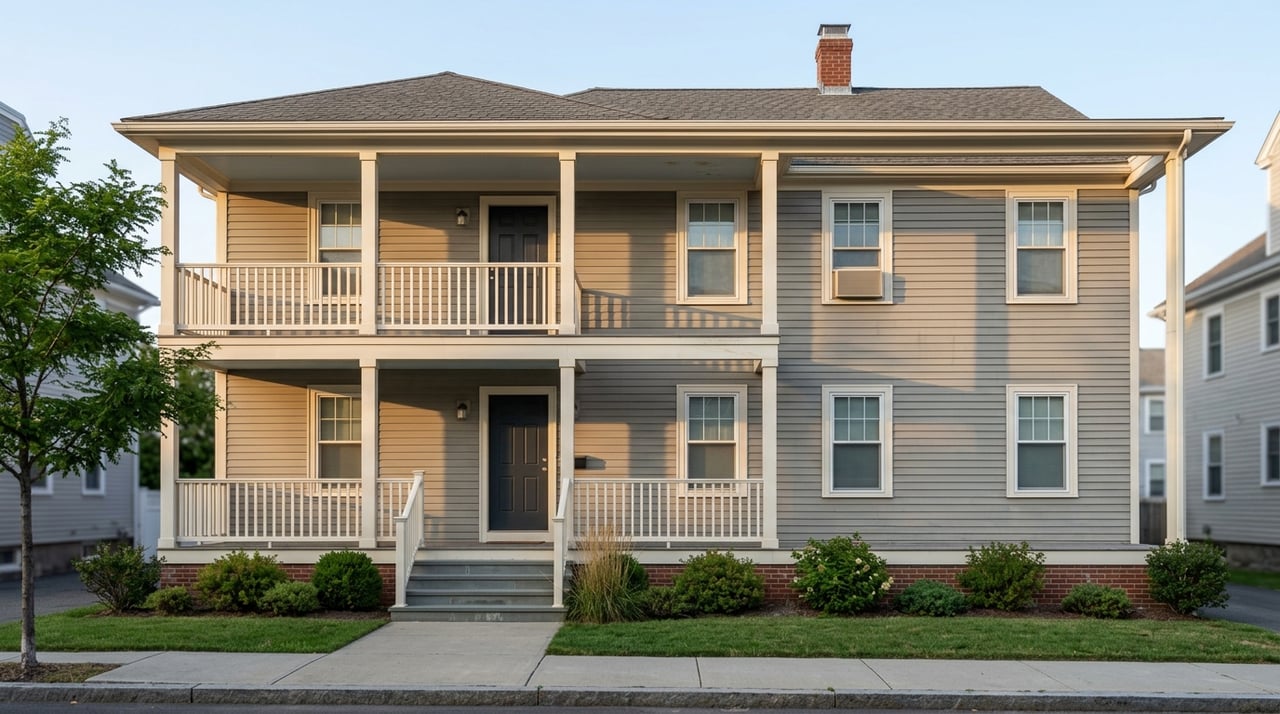
- What to expect: Post‑war and later subdivisions on moderate lots, many designed for commuters.
- Value drivers: Drive time to Route 3, practical access to commuter rail, and newer systems and garages can boost saleability.
- Buyer profile: You may commute to Boston or regional job centers and want easy highway access.
- Things to verify: Map travel time to MBTA commuter rail stations on the Kingston line and weigh convenience against any noise or traffic tradeoffs near interchanges.
Waterfront and North River
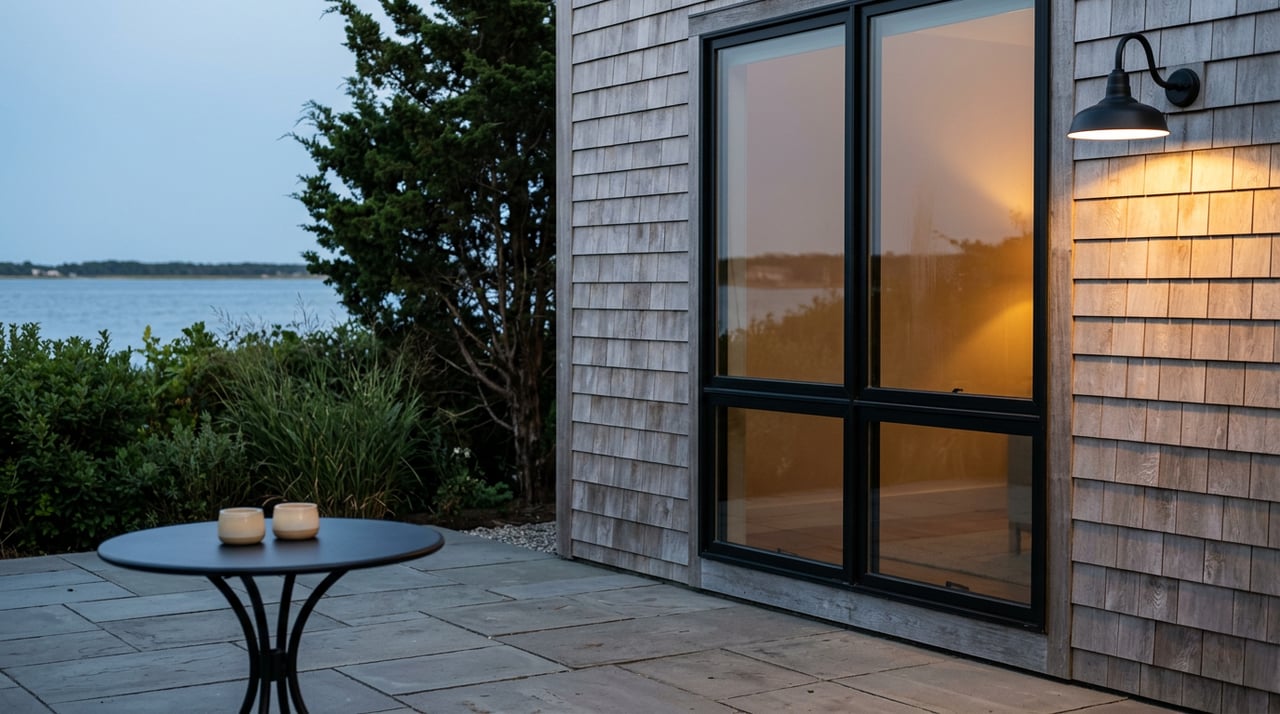
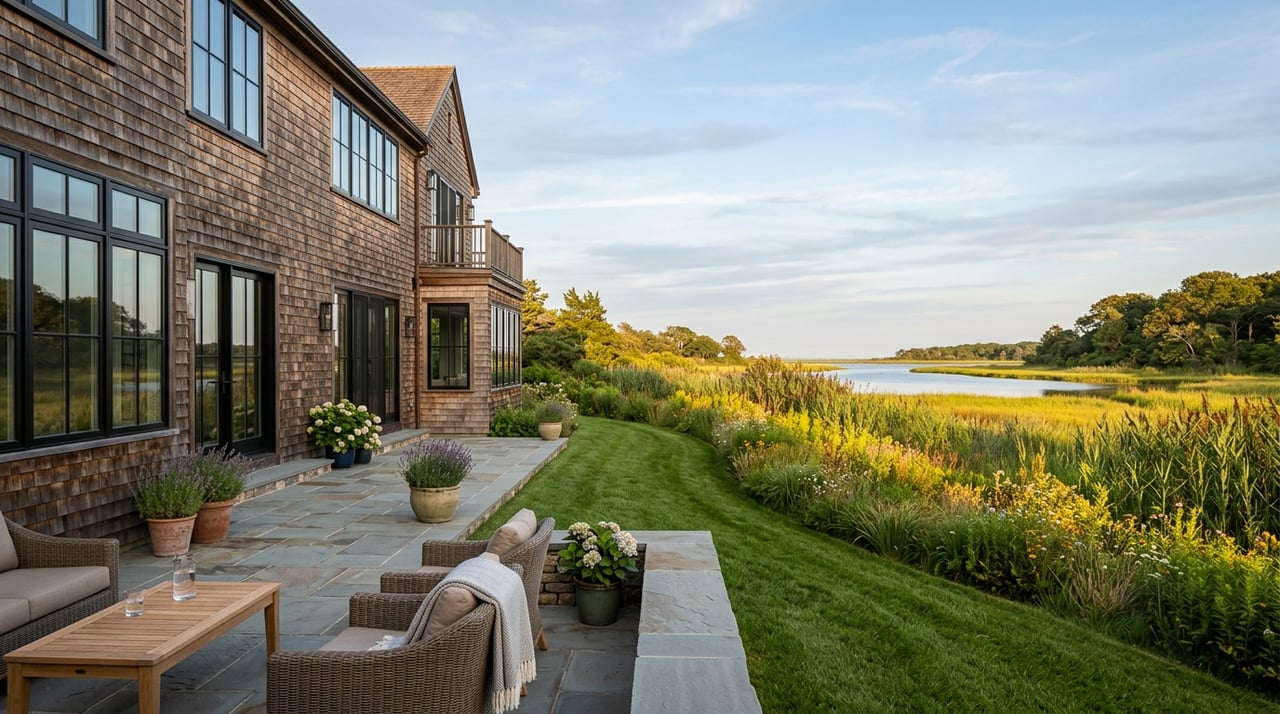
- What to expect: Year‑round waterfront homes, converted cottages, and estate parcels with views or water access.
- Value drivers: Views, deeded water access, and dock rights can add a premium. FEMA flood zone status, insurance cost, and septic and well constraints can add complexity and cost.
- Buyer profile: You may value recreation and views, with tolerance for higher maintenance and insurance.
- Things to verify: Pull FEMA flood maps, check conservation and wetland overlays, and confirm septic capacity and any Board of Health requirements.
Older mid‑century areas
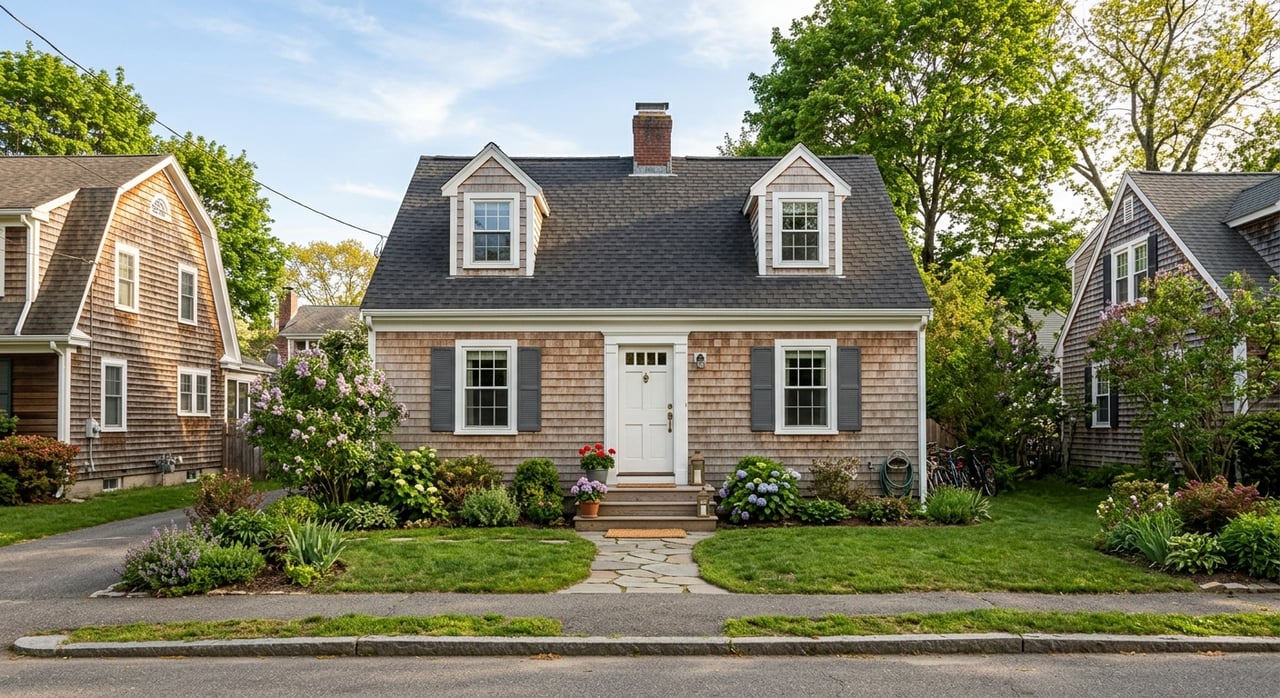
- What to expect: 1950s to 1970s capes, ranches, and split‑levels on modest lots, sometimes with original systems.
- Value drivers: Degree of modernization, usable yard area for additions or a pool, and renovation potential drive price differences.
- Buyer profile: First‑time buyers, downsizers, or investors who will renovate.
- Things to verify: Permit history for major updates, expansion potential under zoning, and any wetlands that limit yard use.
Newer subdivisions and estates
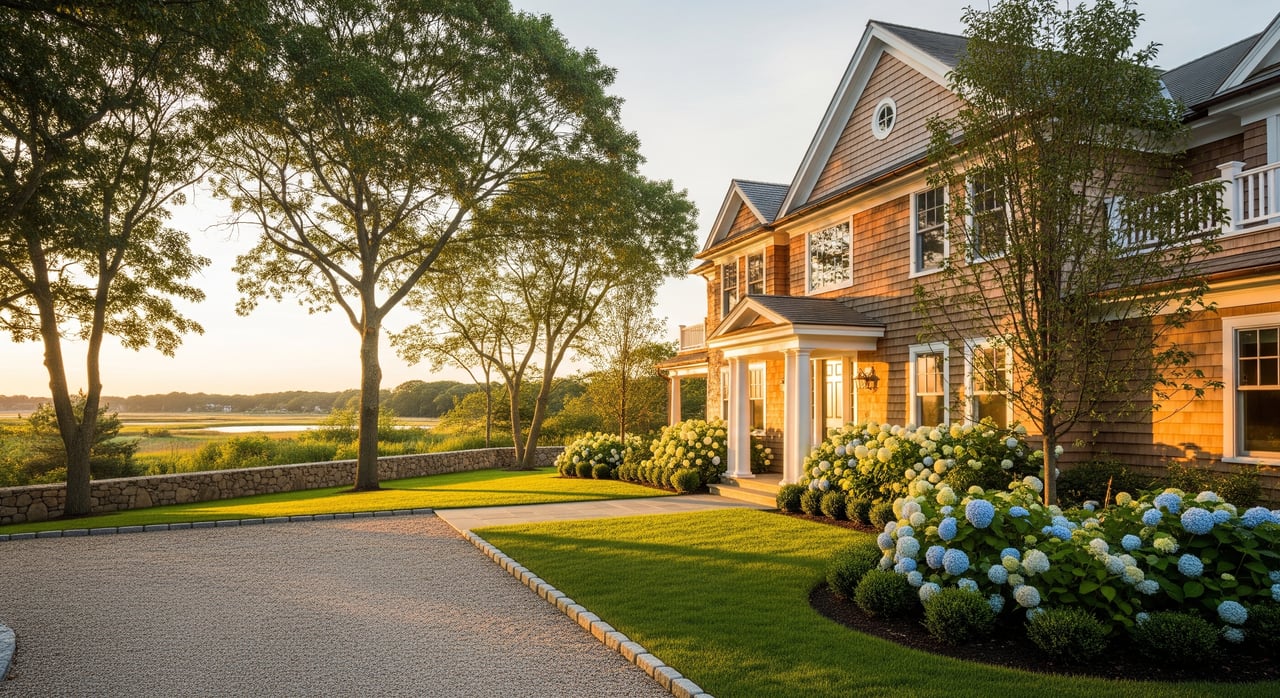
- What to expect: 1990s to 2000s single‑family homes and custom estates, often with larger lots and modern floor plans.
- Value drivers: Lot size and privacy, construction quality, finishes, and septic capacity for future expansion can support higher prices.
- Buyer profile: You may want space, updated systems, and a turnkey feel.
- Things to verify: Septic design capacity, any homeowners’ association rules, and proximity to conservation land that adds privacy yet limits future changes.
Factors that move Norwell prices
Schools and attendance zones
For many buyers, school assignment influences the search. The exact attendance zone by address and publicly available performance reports can shift demand between similar homes.
- What to check: Confirm boundaries with the Norwell Public Schools and review performance data through Massachusetts DESE profiles. Boundaries can change, so always verify by address.
- Why it matters: Buyers often accept tradeoffs on size or age to be within a preferred assignment pattern, which increases competition for those homes.
Lot size and usability
Lot acreage tells only part of the story. Flat, usable yard area and the absence of encumbrances can be more valuable than raw size.
Age, condition, and updates
System age and recent renovations have a direct impact on marketability and price per square foot.
- What to check: Review assessor data for year built, seller disclosures for updates, and the Town’s Building Department permits for kitchens, baths, roofs, windows, and HVAC.
- Why it matters: Well‑executed updates can widen the buyer pool and shorten days on market, especially in older mid‑century areas.
Commute access and travel
Proximity to Route 3 and practical access to commuter rail are central for many Boston‑bound buyers.
- What to check: Confirm rail options and schedules on the MBTA’s Kingston Line. Consider both convenience and any tradeoffs from immediate highway proximity.
- Why it matters: Easier commutes expand demand, which supports pricing for similar homes.
Utilities, wells, and septic
Most properties rely on private septic systems, and some use private wells. These systems add inspection steps and long‑term considerations.
- What to check: Confirm Title 5 requirements, well records, and any system upgrades with the Norwell Board of Health. Ask the Building Department for related permits.
- Why it matters: Septic capacity affects expansion options and replacement cost is a real buyer concern, which influences offers.
Flood zones and wetlands
Waterfront and low‑lying areas can fall within FEMA flood zones. Wetlands and buffers affect what you can build.
- What to check: Use the FEMA Flood Map Service Center to view flood zones for an address, then confirm local conservation overlays with the Town.
- Why it matters: Flood insurance affects carrying costs and financing, and wetland buffers limit expansions.
Taxes and assessments
Annual carrying cost comparisons matter, especially when weighing a small in‑town lot against a larger rural parcel.
- What to check: Look up tax history with the Norwell Assessor and scan Town meeting records for any special assessments or capital plans.
- Why it matters: Differences in tax burden and assessments can influence buyer budgets and pricing power.
Amenities and lifestyle
Trail access, nearby conservation land, and local retail can create micro‑premiums when homes are otherwise comparable.
- What to check: Review town recreation and conservation maps, and drive the area at different times of day to understand traffic and noise.
- Why it matters: Small lifestyle advantages can tip a decision and support a stronger sale price.
How to compare two homes in Norwell
Use a consistent checklist so you are comparing like for like.
Tip: Your final pricing picture should be built on recent, closed sales with similar lot utility, condition, commute access, and school assignment. Inventory is often thin in small towns, so one unique sale can skew a median. Lean on a curated set of true comparables.
Seller steps to boost value
You can raise buyer confidence and reduce friction by addressing key questions up front.
- Document the basics: Gather septic and Title 5 records, permits, and any warranties. Have a clean package ready for buyers.
- Highlight location advantages: Note school assignment, drive times to Route 3, and nearby trails or conservation access.
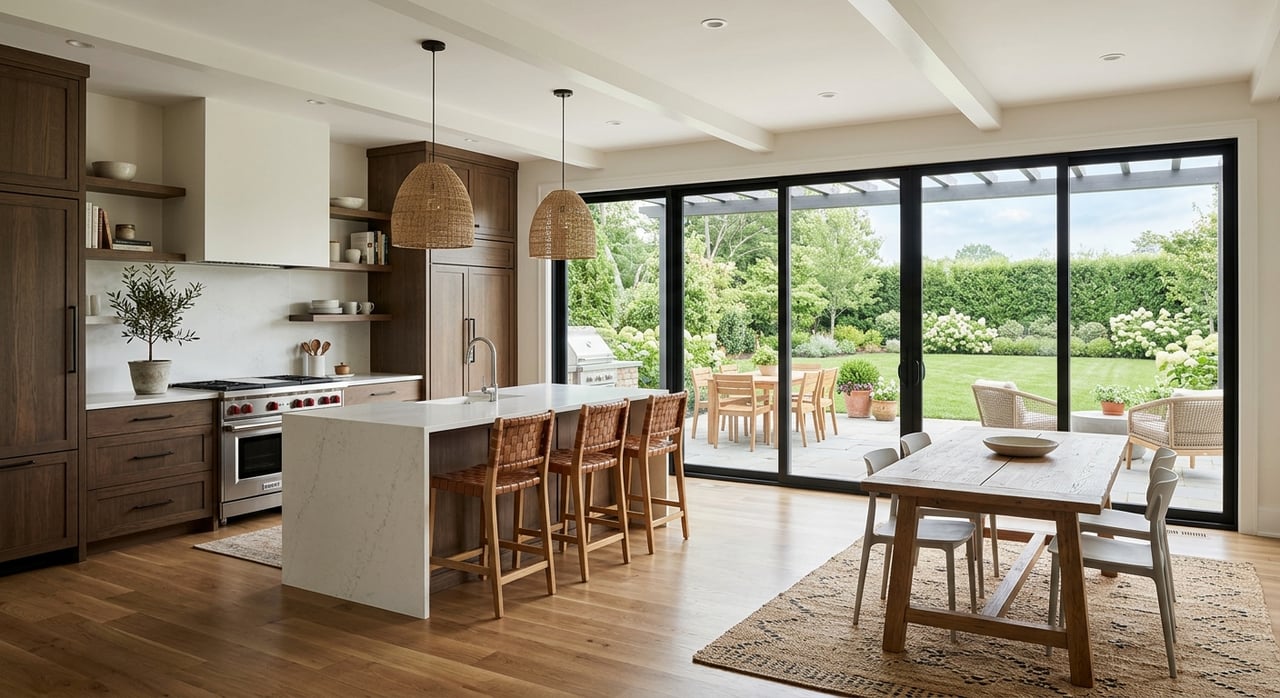
- Focus on high‑impact updates: Kitchens, baths, windows, roof, and HVAC updates often improve marketability. Neutral staging and professional photography help buyers see your home’s best features.
- Clarify constraints: If the lot has wetlands or flood exposure, provide maps and any prior approvals to set clear expectations.
Buyer tips for Norwell
The best deals align with your daily life and long‑term plans.
- Prioritize by lifestyle: If you commute to Boston, weigh Route 3 and MBTA access. If you value privacy, focus on lot size and conservation adjacency.
- Budget for systems: For homes with older septic or mechanicals, plan for replacement timelines.
- Verify every assumption: Confirm school boundaries by address and check flood and wetland status before you fall in love with a lot.
How different locations affect price
Here is how location often shows up in pricing, even when the homes look similar on paper:
- Center and near‑town: Walkability to schools and services tends to support price resilience, even for older homes.
- Route 3 corridor: Convenience for commuters expands demand, but immediate highway proximity can require pricing for noise or traffic.
- Waterfront and riverfront: Views and access create premiums, while flood insurance and maintenance add ongoing costs that can affect affordability.
- Older mid‑century streets: Condition and upgrade history drive the spread. Renovated homes can outpace larger but dated properties.
- Newer subdivisions and estates: Modern layouts and larger lots often score higher per‑square‑foot prices when finishes and systems are current.
Put local data to work for you
The strongest decisions come from local documents and verified sources:
If you want a clear, organized pricing plan for your Norwell home, along with high‑impact marketing and staging guidance, reach out to Matthew Langlois. Schedule a free consultation and get a local strategy built around your goals.
FAQs
Why do similar Norwell homes list at different prices?
- Beyond square footage, differences in school assignment, lot size and usable yard, renovation level, commute access, utilities, and flood or wetland exposure can shift value significantly.
Do schools affect Norwell home values?
- Many buyers consider school assignment and public performance reports when choosing a home. Confirm boundaries with Norwell Public Schools and view DESE data for context.
Are waterfront homes always the best investment in Norwell?
- Waterfront often carries a premium for views and access, but higher insurance, maintenance, and flood risk can increase costs and add market sensitivity.
How important is Route 3 access for buyers?
- For many Boston‑area commuters, quick access to Route 3 and MBTA commuter rail is a top priority, which can expand the buyer pool for nearby homes.
What should Norwell sellers do before listing?
- Gather septic and Title 5 records, permits, and warranties, complete targeted updates and staging, and highlight school assignment, commute advantages, and any conservation or flood context upfront.