
South Shore Housing Market Guide for Today’s Buyers
Shopping for a home on the South Shore and not sure what the numbers actually mean for you? You are not alone. Between inventory, days on market, and list-to-sale ratios, it is easy to feel overwhelmed. In this guide, you will learn how to read the Norwell market and nearby towns so you can make confident, timely decisions. Updated November 2025. Let’s dive in.
A few core indicators tell you most of what you need to know about buyer competition, negotiating room, and timing. Focus on these first.
Active inventory is the number of homes currently listed for sale. It tells you how much choice you have. When active inventory is low, you often see more competition and faster sales. When it rises, you usually get more selection and more leverage.
New listings are the homes that just hit the market during a given week or month. Pending sales are accepted offers that show recent buyer demand. If pending sales are rising while active listings fall, demand is outpacing supply in real time.
Months of supply equals active inventory divided by the average number of closings per month. It estimates how long it would take to sell all current inventory at the present sales pace.
DOM is the median number of days from list to going under contract. Lower DOM signals faster decisions and more competition. Higher DOM often means more time to evaluate options and negotiate.
This ratio is the final sale price divided by the original list price, shown as a percentage. Above 100 percent often reflects bidding over asking. Below 100 percent points to discounts from the list price.
Median sale price helps you spot direction without being skewed by extreme sales. Track month-over-month and year-over-year changes to filter out seasonal swings. Mortgage rates affect your monthly payment and purchase power. When rates rise, you may need to adjust your price target or increase your down payment; when rates ease, you may regain buying power but face more competition.
Every South Shore town has its own rhythm. Here is how to think about three common targets for buyers.
These are typical patterns. Always review current MLS data for each town and property type before you act.
Knowing what to look for is step one. Here is how to apply the signals to your situation.
If you see low inventory, low months of supply, short DOM, and list-to-sale ratios near or above 100 percent, expect competition. Prepare to act quickly.
When inventory is higher and DOM stretches, you may have more space to include inspections, negotiate credits, and compare options.
If your current town shows stronger list-to-sale ratios and shorter DOM, your sale proceeds may be solid. That can make buying up easier. If your target town shows tighter inventory than where you live, plan for a longer home search.
Use this quick guide to translate signals into action.
These short examples show how numbers can shape your strategy. Figures are hypothetical and for illustration only.
You have a pre-approval up to $750,000 and target a 3-bedroom home. Suppose Norwell inventory in your band is limited and median DOM sits near two weeks. You focus on move-in-ready homes that checked your must-have list, tour as soon as listings hit, and submit a clean offer with a flexible closing date. You win the home without overbidding by matching the seller’s preferred timeline and offering strong earnest money.
You are selling a Weymouth home with steady demand and buying in Hingham, where certain price bands are tight. You list your current home with realistic comps and negotiate a short rent-back. That gives you time to write a non-contingent offer in Hingham. You land the property by offering clear inspection timelines and a lender who can close quickly.
Seasonality matters. Spring from March to June usually brings the most new listings and activity. You will have more choices, but so will other buyers. Late fall and winter can present motivated sellers and quieter competition, though selection is thinner. Plan your timeline around life events first, then tune your strategy to the season.
In many South Shore towns, limited developable land can constrain new construction. When resale inventory is tight, a new-build release may attract strong attention. When resale markets slow, builders sometimes adjust pricing or offer incentives. Compare total value, including lot characteristics, finishes, delivery timeline, and potential warranty coverage.
Town-level numbers can shift quickly, especially in small markets like Norwell. Ask for a fresh MLS snapshot before you make an offer or set a list price. A helpful briefing includes:
Want a clear next step? Request a short consultation to align your budget, timeline, and financing with current local conditions. You will leave with a price band strategy, a tour plan, and offer terms suited to today’s market.
Ready to move with clarity on the South Shore? Connect with Matthew Langlois to schedule a free consultation and get a customized, data-backed plan for Norwell, Hingham, Weymouth, and surrounding towns.

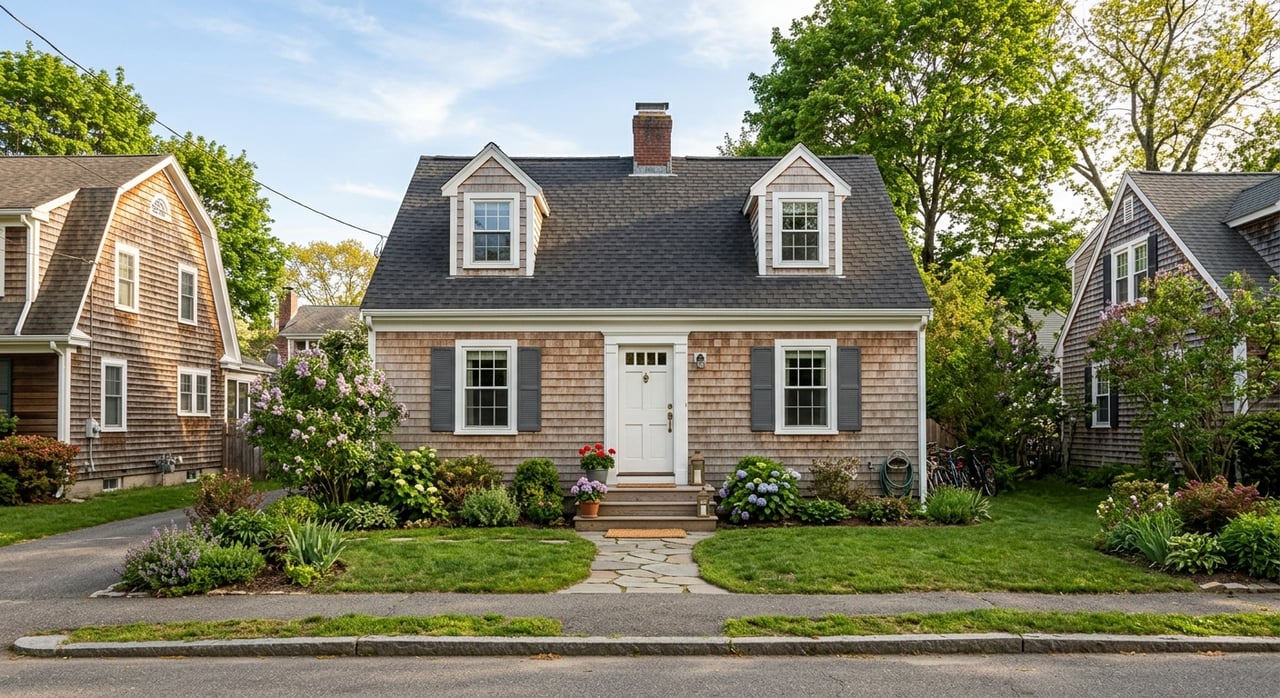

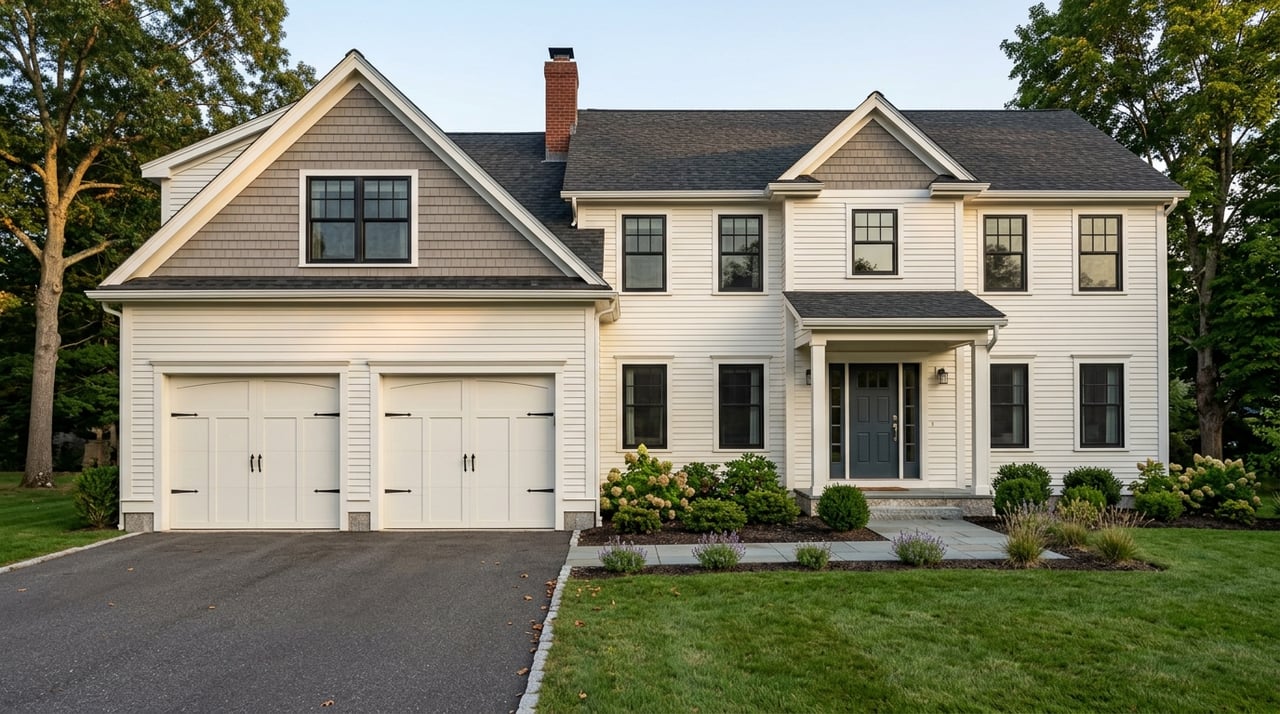
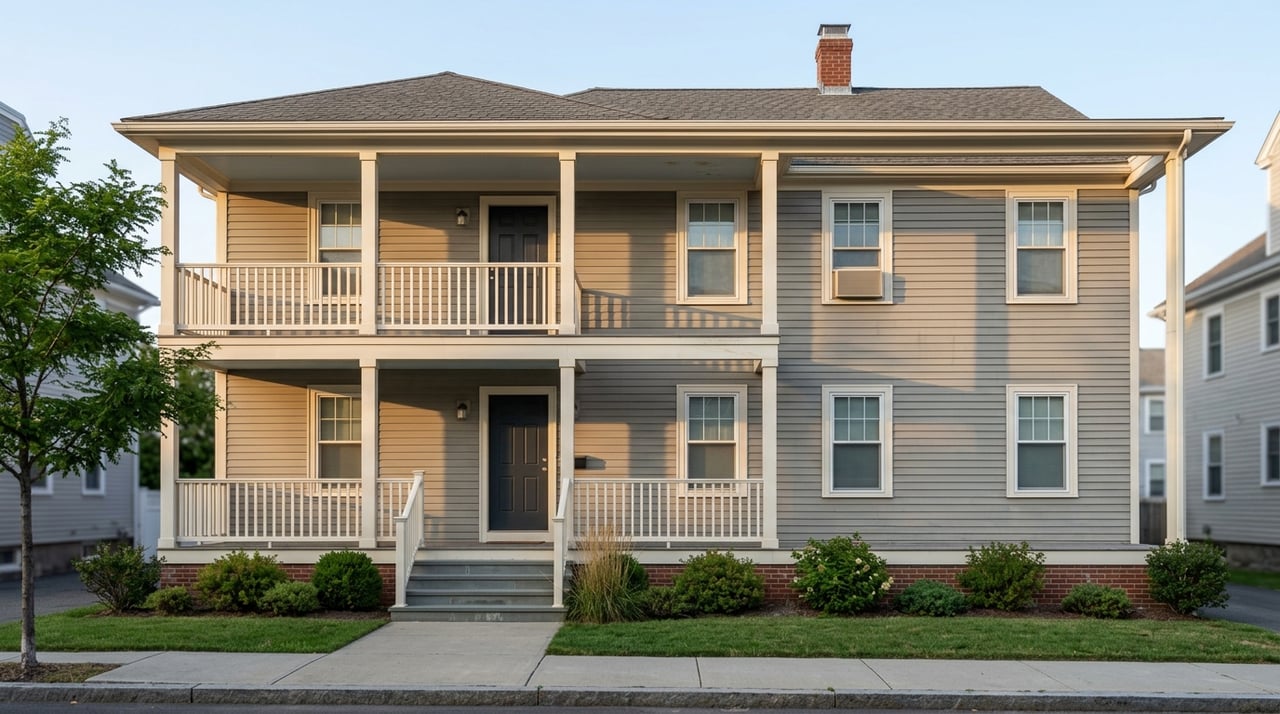




From start to finish, Matthew will be your advocate, ensuring a smooth transaction that fits your timeline. He has a genuine love for what he does and takes pride in helping his clients achieve their goals.