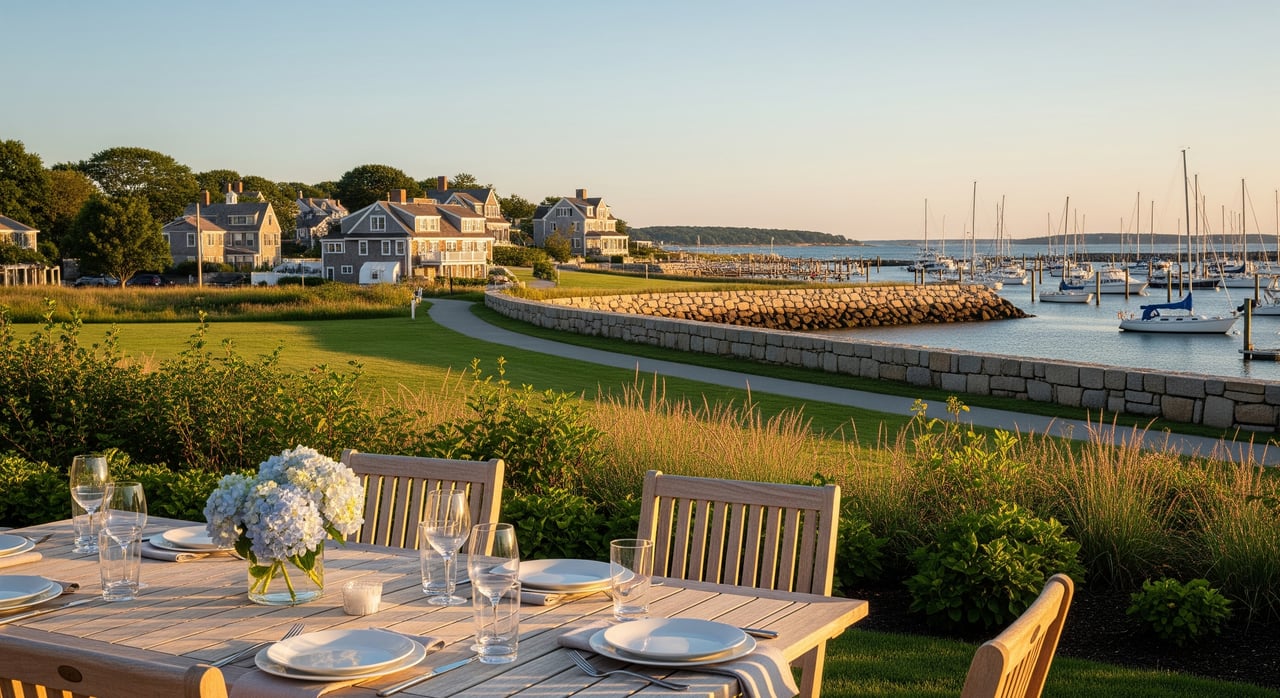
Your Hingham Harbor Lifestyle Guide to Parks & Dining
Picture your morning walk along a quiet boardwalk while sailboats rock in the harbor and a café opens around the corner. If you are weighing a move to the South Shore, Hingham Harbor offers a daily rhythm that blends waterfront parks, small‑town dining, and easy outdoor recreation. You want to know how life really feels here, from parking and boat access to seasonal events and commute options. This guide gives you an honest look at parks, marinas, dining, and practical tips so you can decide if Hingham Harbor fits your lifestyle. Let’s dive in.
Hingham Harbor sits on the South Shore’s north face, opening to Boston Harbor and the islands. Waterfront paths, small beaches, and marinas transition quickly to residential streets and a compact downtown. You get quick access to nature with everyday amenities close by.
Hingham is commonly viewed as a commuter town. Driving distance to downtown Boston is roughly 12–20 miles, depending on your route. Regional transit options include commuter rail, buses, and seasonal ferries. Always check current MBTA ferry and commuter rail schedules since routes and times change by operator and season.
Daily life around the harbor feels active but relaxed. Many residents use the shoreline for walking, birding, paddling, and meeting friends at local cafés. Summer brings lively marina activity, while conservation lands and salt marshes preserve open space and quiet views.
You will find a mix of public parks and nonprofit‑owned conservation lands around Hingham Harbor. Expect soft‑surface trails, meadow and drumlin hills with skyline views on clear days, and boardwalks along tidal marshes. Small beaches and rocky points appear at low tide and shrink at high tide, so timing matters.
Many properties focus on low‑impact recreation like walking, picnicking, and birdwatching. Trails are typically well‑marked, with posted rules for dogs and hours. Public restrooms are limited, so plan ahead and bring water. For nonprofit‑managed preserves nearby, explore seasonal programs and trail maps through The Trustees of Reservations.
Large converted‑use parks, such as former municipal or military lands, now serve as community recreation areas with broad paths, woodland pockets, and water views. They stay busy year‑round because they are easy to access and simple to enjoy.
Waterfront parking fills fast on sunny weekends. Arrive early, walk or bike from nearby neighborhoods, and watch for posted time limits or seasonal fees. Dog policies, bike access, and event reservations vary by site. When in doubt, check the managing organization’s page or the town website for current rules.
Hingham Harbor supports a full mix of recreational boating, from private moorings to seasonal transient slips and yacht club programs. In popular South Shore harbors, waitlists for moorings and slips are common. If you plan to boat, contact the Town of Hingham Harbormaster and local marinas early to learn about policies, permits, and timing.
Support services typically include fuel, pump‑out, transient docking, and repair or haul‑out through private operators. Sailing instruction is often available through yacht clubs or private schools in season.
Common activities include day sailing, paddling, powerboating, and fishing. Launch options range from small municipal ramps to private marinas and select beach access points. Rules and capacity vary, so confirm details before you go. For tide planning and currents, use NOAA Tides & Currents and the National Weather Service marine forecast.
Permits and regulations apply. Boaters must follow state registration and local harbormaster rules. Fisheries are regulated by the Massachusetts Division of Marine Fisheries. Wear a personal flotation device and plan for changing weather and tidal conditions, especially in estuaries and inlets.
Late spring through early fall is the high season. Slips and transient space book up fast, and lessons and camps run on set schedules. Winter brings reduced activity and seasonal closures, with spring dock work and ramp maintenance before the new season starts.
The waterfront and Shipyard area offer a mix of casual spots, seafood‑forward menus, cafés, and seasonal ice cream windows. Many restaurants add outdoor seating when the weather warms up. The result is a walkable scene where you can stroll the boardwalk and meet friends for dinner.
A short walk from the water, downtown adds more dining, boutique shops, and professional services. Expect a blend of year‑round and seasonal businesses. Hours can shift in winter, so check ahead if you are planning a late dinner or weekend brunch in the off‑season.
Warm‑weather calendars often include farmers’ markets, outdoor concerts, harbor festivals, regattas, and holiday light displays. Nonprofits and municipal recreation programs typically run youth camps, sailing lessons, and family events. Confirm dates close to your visit since schedules change year to year.
Summer weekends bring more traffic around parks, marinas, and restaurants. Expect lively evenings near the waterfront, especially during events. Many residents walk or bike to avoid parking crunches, and winter is quieter with shorter business hours.
Lower‑lying waterfront areas may be subject to tidal flooding and storm surge. Before you buy, review the FEMA Flood Map Service Center and ask your insurer about flood insurance requirements. Conservation and coastal regulations can impact renovations near marshes and protected land. For statewide guidance on coastal resources, consult the Massachusetts Executive Office of Energy and Environmental Affairs.
Many residents commute toward Boston by car or regional transit. Schedules and routes can change, so confirm the latest MBTA ferry and commuter rail schedules when planning your routine. Travel time varies by route and time of day.
Ready to explore listings near Hingham Harbor or compare neighborhoods across the South Shore? Get local, practical guidance from a responsive advisor who understands both lifestyle and value. Connect with Matthew Langlois to schedule a free consultation and plan your next move with confidence.


From start to finish, Matthew will be your advocate, ensuring a smooth transaction that fits your timeline. He has a genuine love for what he does and takes pride in helping his clients achieve their goals.