Norwell New Construction vs Resale: Which Fits You?
Thinking about buying in Norwell and torn between a brand‑new build and a classic existing home? You are not alone. Move‑up buyers and relocators often weigh the sparkle and efficiency of new construction against the charm, location options, and faster timelines of resale. In this guide, you will get a clear, local comparison of prices, lots and zoning, commute realities, energy and maintenance costs, and contract considerations so you can choose with confidence. Let’s dive in.
Norwell sits at a higher price point compared with many nearby towns. The town’s median sale price was about $1.27 million as of January 2026. Inventory is thin, so a handful of closings can swing monthly medians.
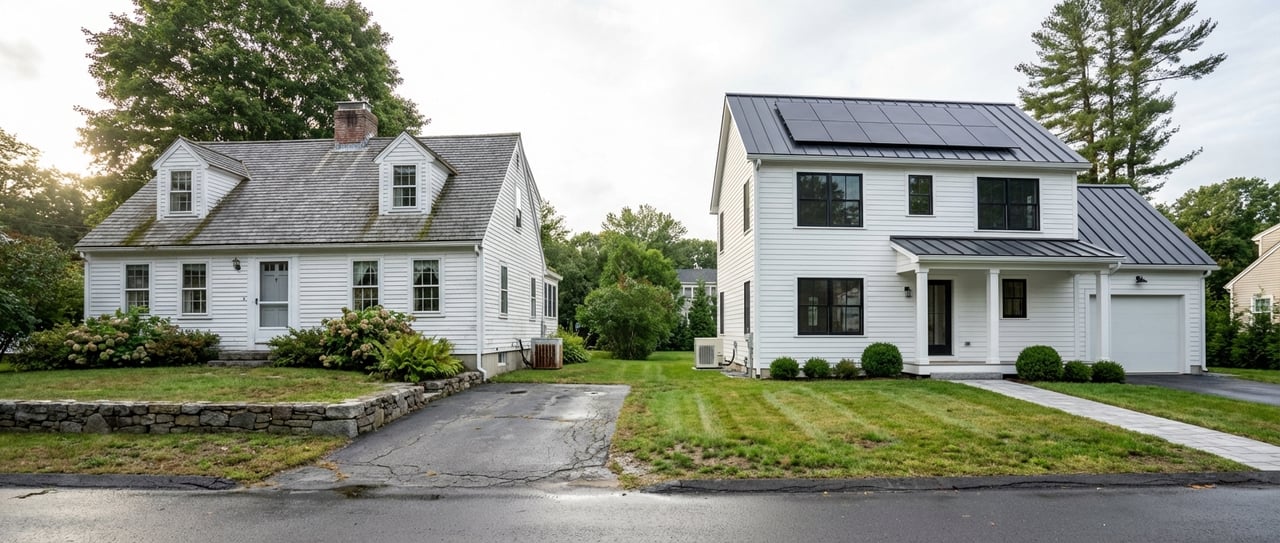
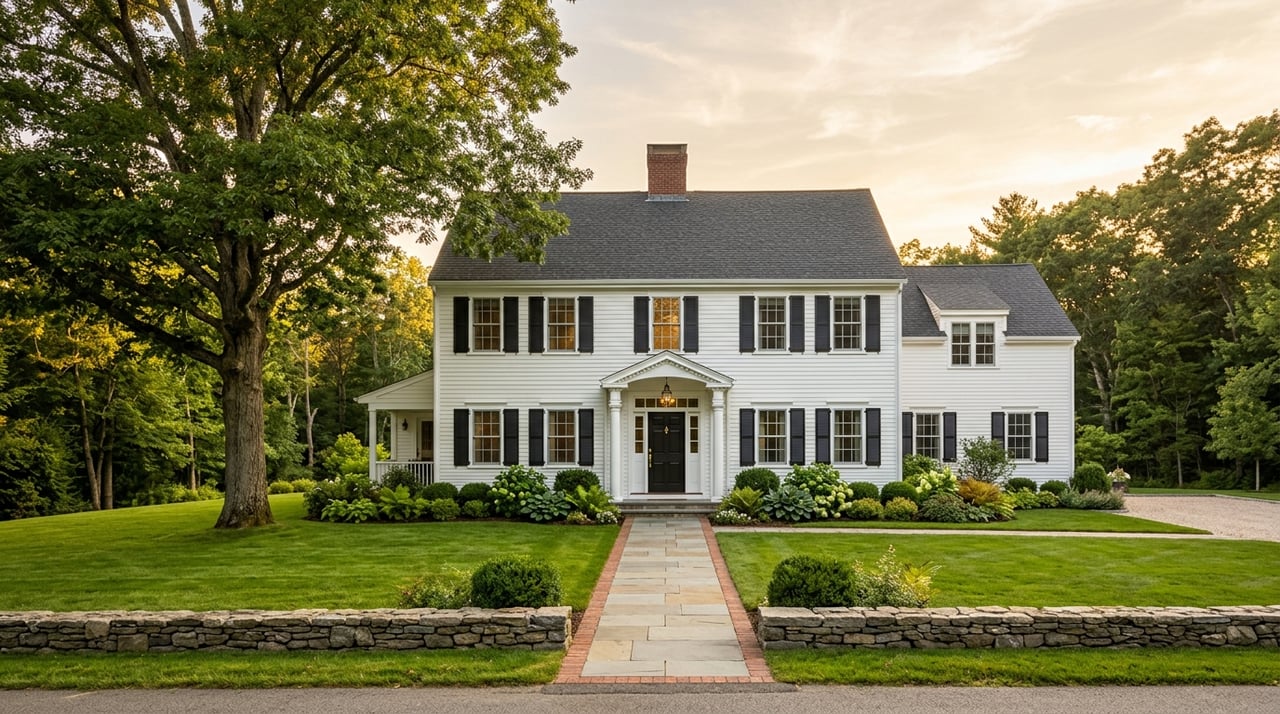
Recent new construction marketed in 2025–2026 has been primarily luxury single‑family homes, often listed around $2.5 million to $3.0 million on roughly 1.0 to 1.4 acre lots. That premium is more than just newness. It reflects larger footprints, high‑end finishes, and desirable sites that border open space or scenic areas.
Regionally, construction costs per square foot in New England run high compared with other U.S. regions. That helps explain why local new builds command a notable premium. The National Association of Home Builders notes that New England spec‑home square‑foot medians sit near the top of U.S. divisions, even after post‑pandemic cost shifts. You can read more in this overview of post‑pandemic square‑foot price trends.
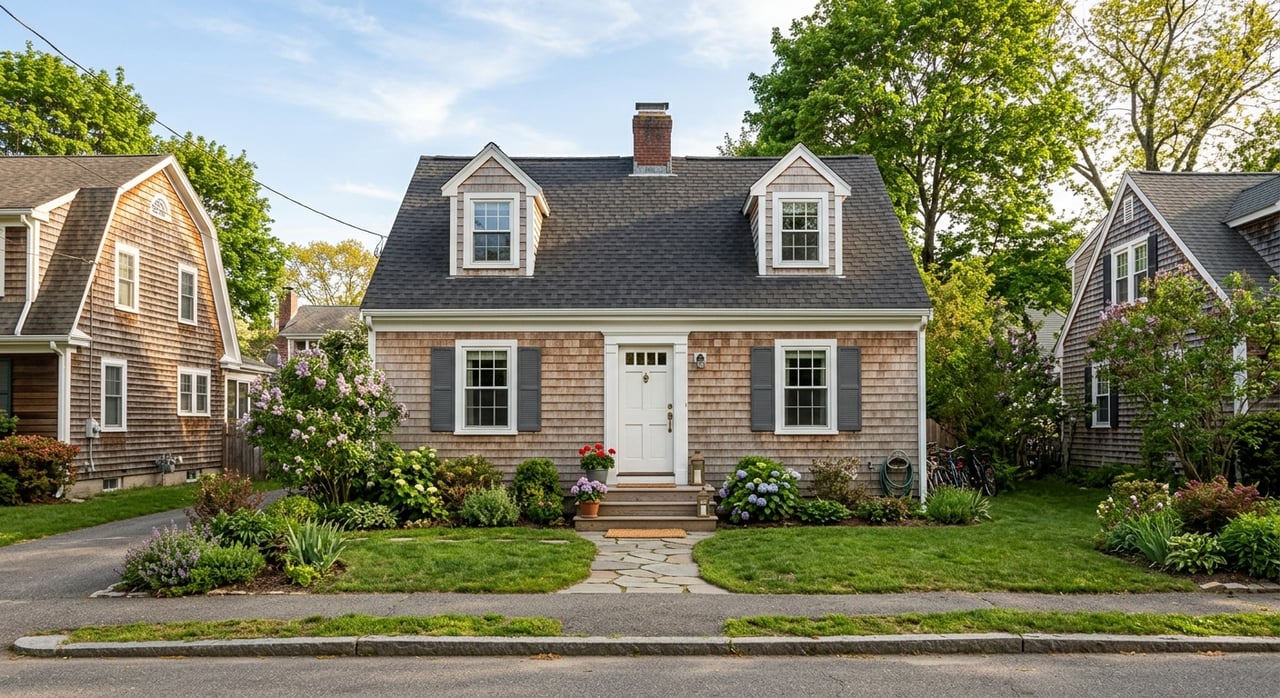
Existing homes, by contrast, give you more variety in neighborhood character and price points, and often shorter timelines to close.
Norwell’s zoning supports both traditional and cluster‑style subdivisions. Under the town’s Open Space Residential Design rules, the Planning Board may allow lots as small as 0.5 acre of upland in cluster projects, with open‑space protections and form standards. See the town’s OSRD provisions for details in the Norwell zoning code.
Many recent luxury builds still choose larger lots near 1.0 to 1.4 acres, depending on parcel size, approvals, and product positioning. Strong wetland and conservation protections shape subdivision design and can steer outcomes toward either larger conventional lots or clustered homes that preserve shared open space. Those environmental constraints affect how many lots a parcel can yield and, in turn, per‑lot land costs.
In December 2024, Norwell adopted an MBTA Communities zoning article that created a limited overlay for by‑right multifamily development along specific corridors near Pond Street and Accord Park. This change focuses added capacity in a targeted area and does not broadly change single‑family zoning norms town‑wide. You can review the adoption context in local reporting on the MBTA zoning article.
The average commute time for Norwell residents is about 35 to 36 minutes, which is longer than the Plymouth County and statewide averages, according to U.S. Census QuickFacts. Norwell does not have a commuter‑rail station within town borders. Most residents drive or use nearby stations on the Greenbush or Old Colony lines.
For relocators who prioritize commute, new construction rarely changes your mode or time compared with an existing home in the same area. It pays to measure drive times from any specific lot to your workplace and to nearby park‑and‑ride or MBTA stations. The Boston region’s planning data hub provides useful context on regional reverse‑commute and transit patterns.
Massachusetts has raised the energy performance bar for new homes and offers meaningful incentives for all‑electric builds. The Mass Save new home program provides base incentives for all‑electric single‑family homes, with adders for ENERGY STAR NextGen and larger incentives for Passive House paths. The program has moved away from incentivizing new gas, oil, or propane systems for projects registered after certain 2024 cutoffs, which encourages electrification.
The Commonwealth’s Stretch Energy Code and Specialized Code further push new construction toward tighter envelopes and efficient electric heat pumps. For you, that usually translates into lower heating and cooling energy use compared with older homes built under earlier codes. Combine that with a new roof, windows, and modern insulation, and your monthly operating profile can look very different than a similarly sized older home.
New homes usually come with a builder warranty. A common structure is often called “1‑2‑10”: one year for workmanship, two years for major systems, and ten years for structural elements. Always verify the exact terms, the response process for punch‑list items, and whether any structural portion is backed by an insurer.
Existing homes can be excellent value, but you should plan for variability. A widely cited rule of thumb is to budget about 1 percent to 4 percent of your home’s value per year for maintenance and repairs, depending on age and condition. For a $1.3 million home, that suggests setting aside roughly $13,000 to $52,000 annually as a planning number. See a quick overview of the annual home maintenance cost range.
Choose new construction if you want:
Choose an existing home if you want:
Ready to weigh your options on a specific property or builder? For local comps, contract strategy, and a practical plan that fits your timeline, connect with Matthew Langlois for a free consultation.
From start to finish, Matthew will be your advocate, ensuring a smooth transaction that fits your timeline. He has a genuine love for what he does and takes pride in helping his clients achieve their goals.