Thinking about buying a 2 to 4 unit in Quincy but not sure where to start? You are not alone. Quincy blends steady rental demand, MBTA Red Line access, and classic New England multi-family housing that can work for a first purchase or a portfolio add. In this guide, you will learn what rents look like today, how the Red Line factors into returns, the rules you must follow in Massachusetts, and a simple way to run the numbers. Let’s dive in.
Why Quincy attracts small landlords
Quincy offers a strong renter base and convenient Boston access. The city’s population is about 103,400 and the owner-occupied rate is roughly 45.2 percent, which means a large share of households rent. The Census 5-year estimate puts median gross rent at $2,118, while the mean commute time is about 34.7 minutes, a sign that transit access matters for many residents. You can review these citywide stats in the Census QuickFacts for Quincy.
Active listings show rents running higher than the long-run Census median. As of March 15, 2026, Zumper reports a citywide median asking rent of about $2,654, with recent listings around $2,525 for 1-bedrooms and $2,800 for 2-bedrooms. RentCafe’s coverage shows an average rent near $2,778 and a large share of units in the $2,501 to $3,000 range. Taken together, these signals suggest solid demand across 1 and 2-bedroom units.
What you will buy in Quincy
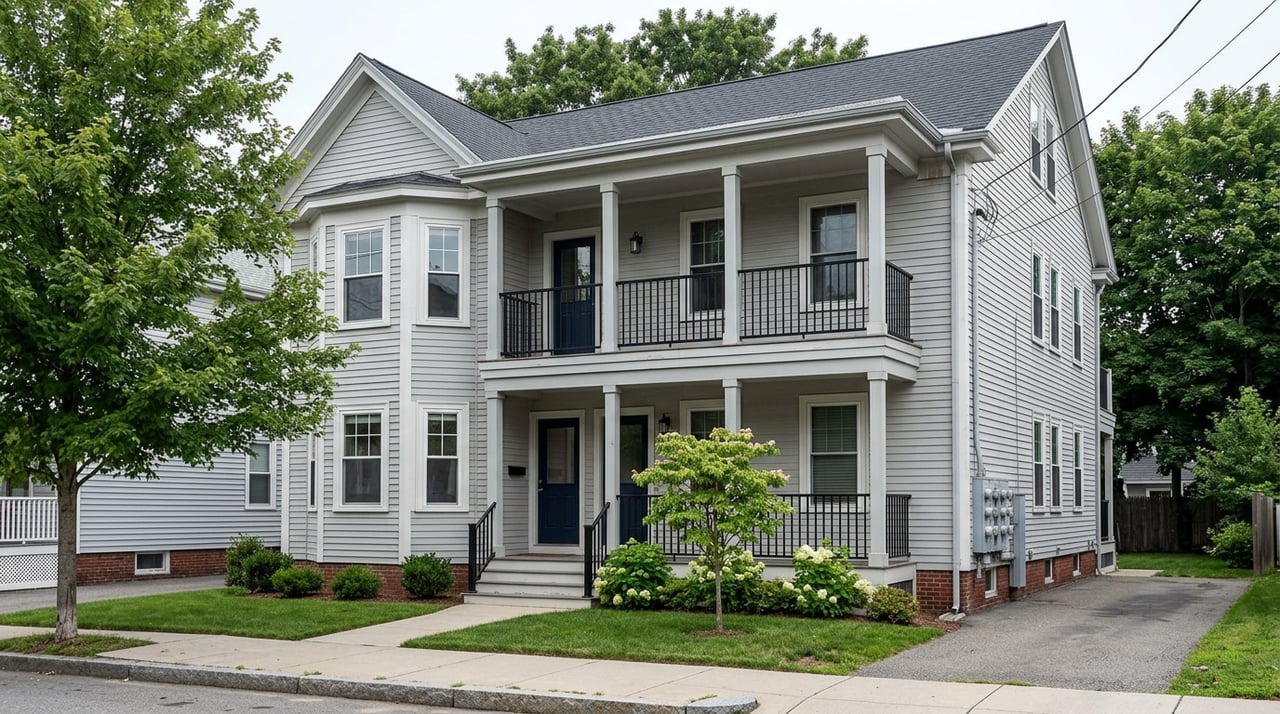
Common 2 to 4 unit types
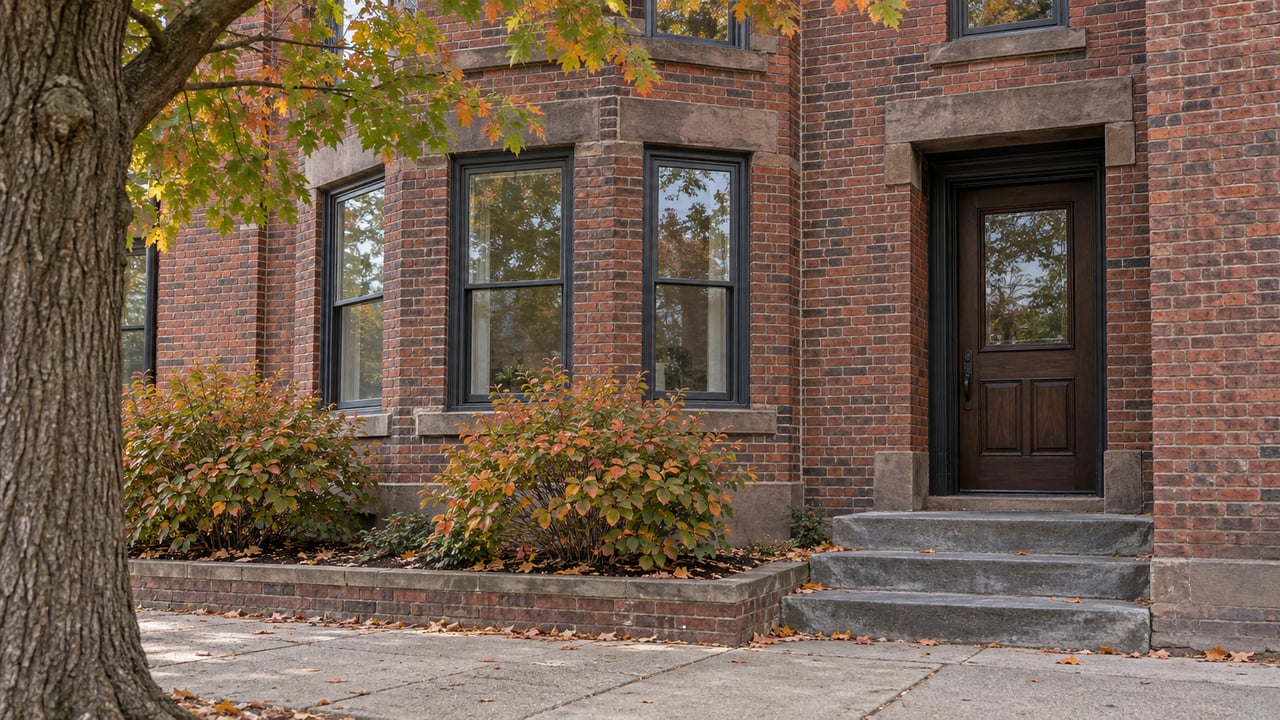
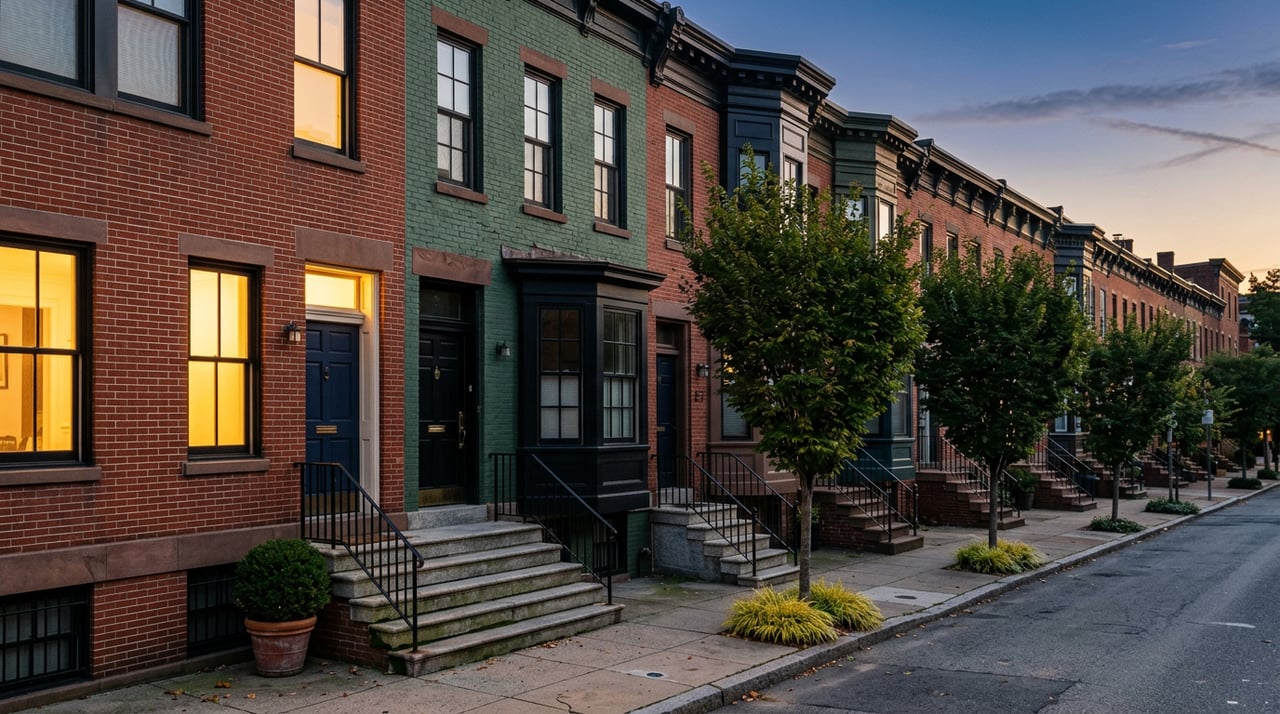
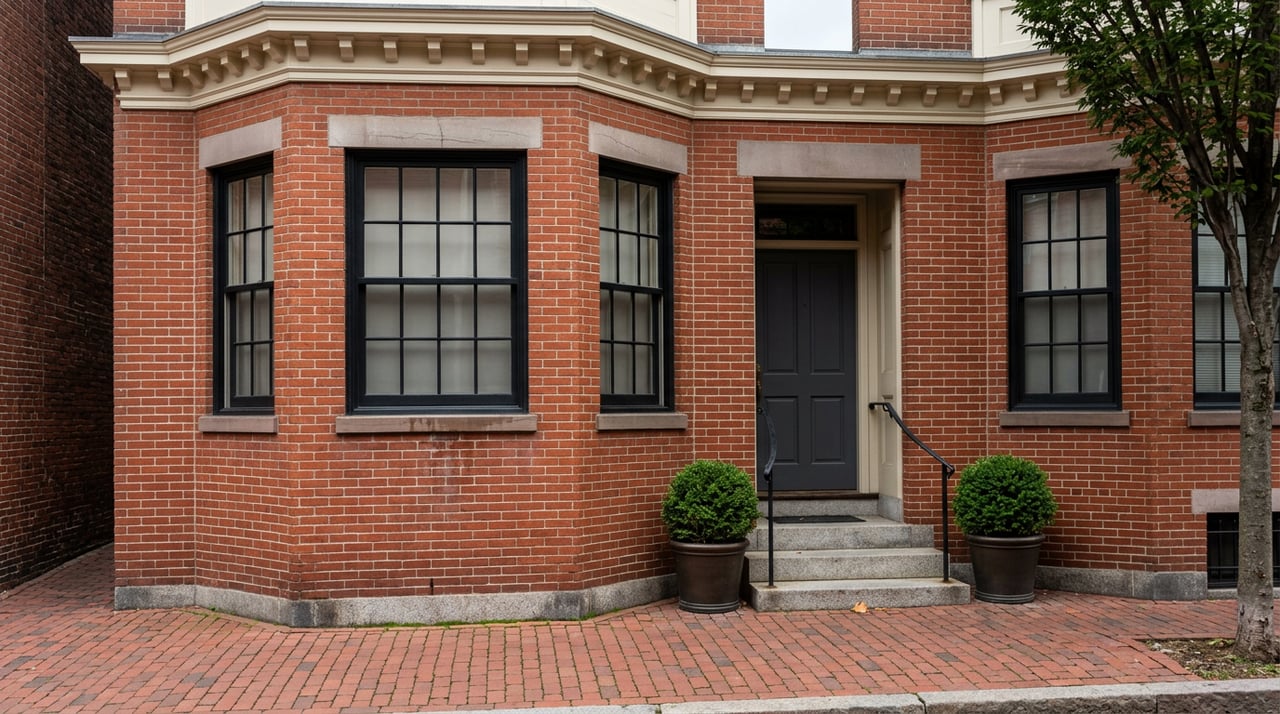
You will see two-family homes, classic three-family triple-deckers, and small walk-ups. Many buildings date to the late 19th or early 20th century. That can mean character and good layouts, but also older systems. Always confirm that the unit count is legal and matches the city’s records using the Assessors and Inspectional Services.
Due diligence checklist
- Confirm legal unit count and Certificate of Occupancy with Quincy Inspectional Services. Unpermitted or converted units are a deal-breaker for financing and resale.
- Check the city Assessors and GIS viewer for parcel data, assessed values, and prior sales to frame taxes and comps.
- Budget for common age-related issues. In older New England multis, watch for lead paint, older electrical like knob-and-tube, oil heat and tank risks, rotting porches, foundation settlement, and roofs nearing end of life. Massachusetts has lead hazard rules and programs that can help with remediation.
- Verify utilities and meters. Separately metered heat, hot water, and electricity reduce owner risk. Confirm who pays water, sewer, and trash.
- Consider parking and transit access. Street parking is common. Units marketed to MBTA Red Line commuters often achieve stronger rent and occupancy even without dedicated spaces.
Transit adds value in Quincy
Quincy has four Red Line stations on the Braintree branch, and walkability to these stops often supports higher rents and faster lease-ups. Academic research finds a positive but variable rent and price premium near rail stations depending on local context. In Quincy, live listings reflect that pattern in transit-adjacent neighborhoods.
Side-by-side rent example
Here is a simple illustration using Zumper medians accessed March 15, 2026. Use current listings to verify your property’s exact figures at offer time.
- Near Red Line hubs like Quincy Center and Merrymount: sample listing medians around $2,900.
- Farther from stations in areas like North Quincy, Wollaston, or Quincy Point: listing medians trend lower, roughly $2,350 to $2,650.
This local spread shows how proximity can add a meaningful premium. When you run your pro forma, price in that distance-to-transit effect and confirm with same-type comps within a tight radius.
Rents, taxes, and quick math
Current rent signals
- Citywide asking median: about $2,654 for all unit types as of March 15, 2026.
- Typical 1-bed and 2-bed anchors: about $2,525 and $2,800 in recent listings.
- Average rent context: near $2,778 with many units between $2,501 and $3,000.
These are listing-based signals, so underwrite conservatively and confirm with on-market comps at the time you write an offer.
Back-of-envelope NOI example
Use this framework to test a 3-unit triple-decker. Plug in your own quotes and comps.
- Rent assumptions using current listings: two 2-bed units at $2,800 and one 1-bed at $2,525 equals $8,125 per month. Annual gross potential rent is $97,500.
- Vacancy and credit loss: assume 5 percent, or $4,875. Effective gross income is $92,625.
- Property taxes: using Quincy’s FY24 residential rate of $11.27 per $1,000, a property assessed at $616,200 would owe about $6,943 per year. Always confirm the current rate before you close.
- Operating expenses to include: insurance, any owner-paid utilities, repairs and maintenance, property management if outsourced, reserves, and legal or compliance costs. As a planning guide, set repairs and maintenance around 3 to 8 percent of rent, management around 8 to 12 percent, and vacancy 3 to 8 percent, then add reserves.
Pulling it together: with the assumptions above, and before insurance and any owner-paid utilities, you might see expenses of roughly 21 percent of effective gross income for management, repairs, and reserves, plus taxes. That would place projected NOI around $66,000 before insurance and utilities. Your exact outcome will depend on the building’s condition, utility setup, and your management approach.
Financing 2 to 4 unit deals
Owner-occupants have helpful options. FHA and conventional programs allow financing for 2 to 4 unit properties when you live in one unit, within loan limits and underwriting rules in the FHA Single Family Housing Policy Handbook. Investment-property loans for non-owner occupants often require larger down payments and stricter cash flow tests. Shop multiple local lenders who understand small multi-family underwriting in Massachusetts, and verify current rates and loan limits.
Local rules you must follow
Massachusetts has precise rental rules. Build these into your process from day one.
- Security deposits: limited to one month’s rent with strict handling rules. You must place the deposit in a separate interest-bearing account in a Massachusetts bank, give the tenant a receipt with the bank name and account number within 30 days, and pay interest as required. Penalties for violations can be severe. Review the state’s guidance on security deposits.
- Evictions: you must serve a Notice to Quit before filing a summary process case. For nonpayment, the common notice period is 14 days. For other situations it is often 30 days. Self-help like lockouts is not allowed. Read the tenants’ guide to eviction for timelines and procedures.
- Lead law and health: Massachusetts enforces lead hazard rules, especially where young children may reside. Plan for testing and, if needed, abatement. State programs, including Get the Lead Out, can support remediation. Start with the state information hub for programs and contacts.
- City checks: confirm permits, inspections, and any required repairs with Quincy Inspectional Services before purchase and lease-up. Use the Assessors and property viewer to verify parcel details and assessed values. Citywide rental registration can change, so check current ordinances and the Inspectional Services page for updates.
Step-by-step buying plan
Follow this playbook to keep your deal on track and your underwriting honest.
Define the unit mix you want. In Quincy, demand for 1 and 2-bed units is strong, especially near transit. Decide your target rent range and whether you want to owner-occupy.
Pull rental comps the day you tour. Save active 1 and 2-bedroom comps from trusted listing sources, and note transit distance. Use conservative rents in your pro forma.
Verify legal status with the city. Ask Inspectional Services to confirm legal unit count and Certificates of Occupancy. Order a municipal property search if needed.
Inspect for big-ticket items. Hire an inspector who spends extra time on porches, roofs, electrical service, plumbing, heat sources, and foundation. Budget for lead testing in pre-1978 buildings.
Map utilities and meters. Document who pays what, and confirm meter counts match units. Adjust your underwriting for any owner-paid utilities.
Run the math with buffers. Use current comps, a 5 to 10 percent vacancy and credit loss buffer, and realistic line items for management, repairs, reserves, taxes, insurance, and legal compliance.
Align financing early. If you plan to live in one unit, confirm you fit owner-occupant guidelines. If you are investing, confirm down payment, reserves, and cash flow tests.
Prepare compliant leases and deposits. Use attorney-vetted leases that match Massachusetts law. Set up a compliant security deposit process before your first move-in.
Micro-neighborhood notes
- Quincy Center and Merrymount: transit-adjacent, walkable, and often higher listing medians, with Zumper showing around $2,900 in recent samples. Good fit for tenants who value walk-to-train access.
- North Quincy and Wollaston: close to Red Line stations but with pockets that show slightly lower listing medians than Quincy Center, often in the mid $2,000s depending on unit type and distance.
- Quincy Point and outer areas: more variance in rents and parking setups. Confirm specific comps and check bus or shuttle links to Red Line stops if walkability is limited.
Keep your comp set tight by unit type, condition, and distance to the nearest station. The transit premium is real, but it varies block by block.
Avoidable mistakes
- Skipping unit verification. Never assume the third floor is legal space. Confirm it with the city.
- Underestimating capital needs. Triple-deckers often need porch, roof, or electrical work. Build a reserve plan from day one.
- Mishandling security deposits. The rules are strict. Set up the bank account, forms, and receipts before lease signing.
- Ignoring lead compliance. Pre-1978 buildings can trigger requirements, especially for households with children. Plan testing and abatement paths early.
- Overestimating rents. Use same-type, same-radius comps pulled the day you write the offer.
Ready to invest?
If you want a clear path to a solid Quincy multi-family, you need tight comps, a code-check plan, and a numbers-first underwriting model. That is what I help investors build. For local guidance, off-market sourcing, and a clean process from offer to lease-up, connect with Matthew Langlois. Let’s map your next step.
FAQs
What are typical Quincy rents for 1 and 2-bed units in 2026?
- Zumper shows recent listings around $2,525 for 1-bedrooms and $2,800 for 2-bedrooms, with a citywide asking median near $2,654 as of March 15, 2026.
How does the Red Line affect Quincy rental demand and pricing?
- Transit-adjacent areas like Quincy Center and Merrymount show higher listing medians than some outer areas, reflecting a common rail premium that academic studies also observe near stations.
What Massachusetts security deposit rules apply to small landlords?
- You can take up to one month’s rent, must hold it in a separate Massachusetts interest-bearing account, provide a bank receipt within 30 days, and pay interest as required.
What is the Quincy residential property tax rate I should use for underwriting?
- The FY24 residential rate is $11.27 per $1,000 of assessed value, which would be about $6,943 on a $616,200 assessment; verify the current rate before closing.
Which building issues are common in Quincy’s older multi-families?
- In pre-1978 wood-frame multis, watch for lead paint, older electrical, oil tanks, aging porches, roof wear, and foundation settling; plan inspections and reserves accordingly.
How should I estimate operating expenses for a Quincy triplex?
- Start with taxes, then add insurance, any owner-paid utilities, management around 8 to 12 percent, repairs around 3 to 8 percent, reserves, and a 3 to 8 percent vacancy buffer, adjusting for the building’s condition and utility setup.