Moving to Milton for Schools? A Smart Buyer’s Guide
If Milton keeps showing up in your school search, there is a reason. This close-in Boston suburb combines a strong public-school identity, several private-school options, and a location less than 10 miles from downtown Boston. If you are trying to balance schools, housing, taxes, and commute in one decision, this guide will help you sort through the big factors and ask smarter questions as you narrow your move. Let’s dive in.
Milton stands out because schools are part of the town’s identity, not just one item on a home search checklist. The town describes itself as tree-lined, historically rich, and unusually green, with the most privately and publicly conserved land within 20 miles of Boston.
That setting matters if you want a suburban feel without moving far from the city. Milton also offers access to Routes 128, I-93, and I-95, plus Red Line access via the Mattapan trolley line, which helps explain why buyers often look here when they want both school access and Boston convenience.
Another detail that gets attention early is the town’s school facilities. Milton says all of its schools have undergone or are undergoing renovation or construction, which can be an important factor when you are comparing nearby districts.
Milton Public Schools includes four elementary campuses, Pierce Middle School, and Milton High School. According to the 2025-26 DESE district profile, the district serves 4,358 students total.
School size can help you picture the district more clearly. Milton High enrolls 1,127 students, Pierce Middle serves 987 students, and the elementary campuses range from 440 to 642 students.
For many buyers, this is the starting point for a more detailed review. The district also posts 2025 DESE report cards for the district and each school, which gives you an official school-by-school comparison source as you do your homework.
Milton Public Schools highlights a few items that often matter early in the process. Kindergarten is full-day for all students in 2025-26.
The district also offers two first-grade program options for families: the English Innovation Pathway with STEM and Spanish, and French Immersion. The district uses an assignment plan and lottery if needed, so if program access is part of your housing search, it is smart to verify how that process works before you make a move.
If schools are one of your main priorities, keep these questions front and center:
These questions can help you avoid focusing only on list price or square footage. In a town like Milton, the right fit often comes down to how housing location and school logistics work together.
Public schools are only part of the picture here. Milton has a relatively dense mix of private and alternative school options for a suburb of its size, which gives buyers more than one path to consider without leaving town.
Milton Academy is an independent college-preparatory school with Lower School grades K-5, Middle School grades 6-8, and an Upper School. Fontbonne, The Early College of Boston, is an independent Catholic early college for young women in grades 7-12.
Thacher Montessori School offers toddler, children’s house, elementary, and middle-school programs. St. Mary of the Hills School is a Preschool-8 Catholic school.
For buyers, that range matters because it adds flexibility. If you are comparing educational approaches, grade structures, or school formats, Milton offers several in-town options to explore alongside the public district.
Milton’s housing stock has a clear pattern. Census QuickFacts reports an 84.7% owner-occupied housing unit rate, and town master-plan materials say 73.8% of existing housing units are single-family detached structures.
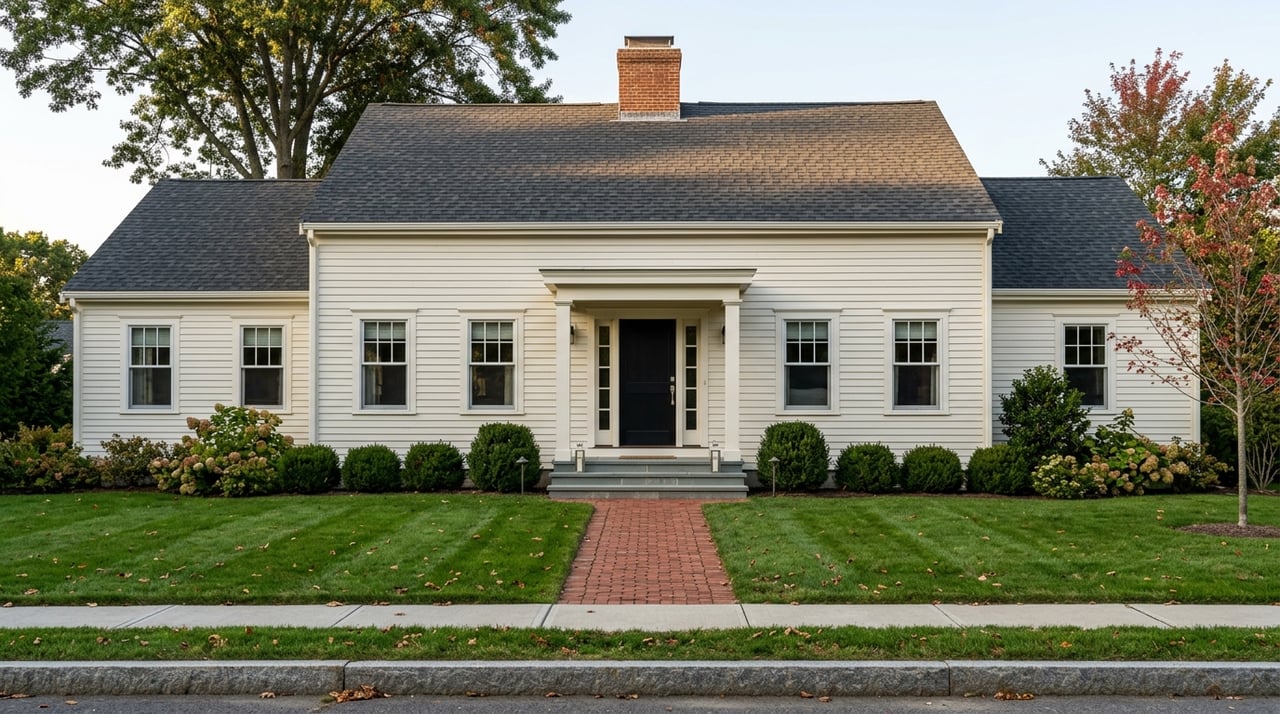
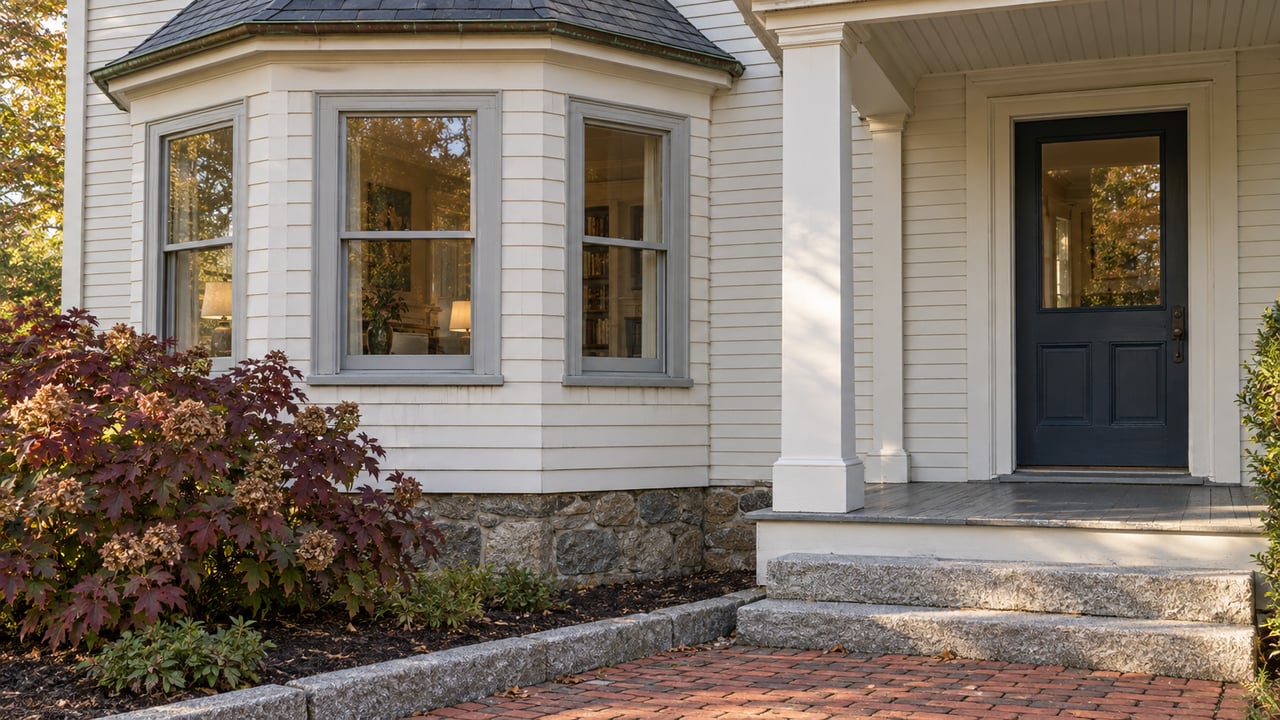
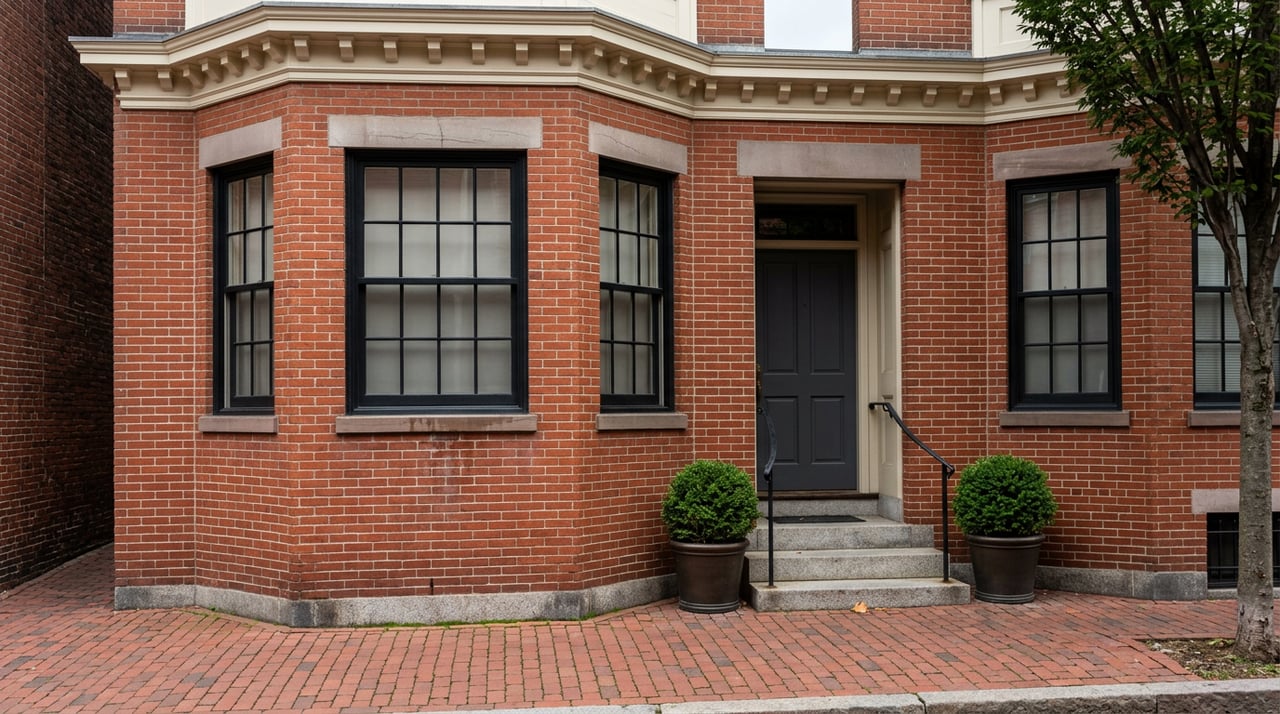
In practical terms, you should expect older detached homes to dominate much of the market. The town also emphasizes its large stock of pre-World War II architecture, including 19th-century country houses and estates and early workers’ housing.
That mix gives Milton a distinctive housing feel, but it also means your search may involve older-home tradeoffs. Layout, updates, maintenance needs, and lot configuration can vary more here than in a town with mostly newer construction.
Milton is not only a market for older single-family homes. The town’s affordable-housing page describes Icehouse on the Parkway as a brand-new condo development on Blue Hills Parkway, less than a mile from Milton High School and Tucker Elementary School.
That is a useful reminder if you want proximity to school corridors with lower-maintenance living. While newer inventory is more limited than the town’s older detached-home supply, condo options do exist and may appeal to buyers who want less upkeep.
When you are moving for schools, it is easy to focus on tuition alternatives, commute, or home style and forget how much the tax bill affects your real monthly cost. In Milton, that number is worth reviewing carefully.
The FY2026 residential property-tax rate is $11.81 per $1,000 of assessed value. The town’s FY2026 materials also list the average single-family home assessment at $1,028,457 and the median at $889,400.
Milton also explains that Massachusetts property taxes are constrained by Proposition 2½, which limits the levy’s year-to-year increase to 2.5% plus new growth. The town notes that real-estate tax billing uses preliminary and actual tax bills, so it helps to understand both the rate and how billing works as you budget.
A home that feels affordable at first glance can look different once you factor in annual property taxes. That is especially true in a town where many homes are single-family and assessed values can be substantial.
As you compare homes, it helps to review:
Milton appeals to many buyers because it is a close-in suburb, not a far-out commute town. The town says residents have quick access to Routes 128, I-93, and I-95, plus Red Line access via the Mattapan trolley line.
The location is also less than 10 miles from downtown Boston, according to the town. That can make Milton attractive if you want a school-oriented suburban setting while staying tied to Boston for work or daily travel.
Still, commute convenience is never one-size-fits-all. Exact trip times depend on the street, route, destination, and rush hour, so it is worth testing your likely commute rather than relying on a map alone.
If you are choosing Milton partly for schools, think about the move in real-life terms. A strong location on paper still needs to work with your morning routine, after-school schedule, and drive or transit pattern.
A simple checklist can help:
If schools are one of your main reasons for considering Milton, the smartest approach is to look at the town as a full package. School structure, program options, housing type, tax cost, and commute all interact.
That means the best home for you may not be the biggest or newest option. It may be the one that lines up most clearly with your school questions, budget, and daily routine.
A focused search usually starts with three steps:
When you do that, you can compare homes in Milton with a lot more confidence and a lot less guesswork.
If you are weighing Milton against other Greater Boston options, a local, numbers-driven view can make the process much clearer. To talk through neighborhoods, home types, pricing, and the real tradeoffs that matter to your move, schedule a free consultation with Matthew Langlois.


From start to finish, Matthew will be your advocate, ensuring a smooth transaction that fits your timeline. He has a genuine love for what he does and takes pride in helping his clients achieve their goals.