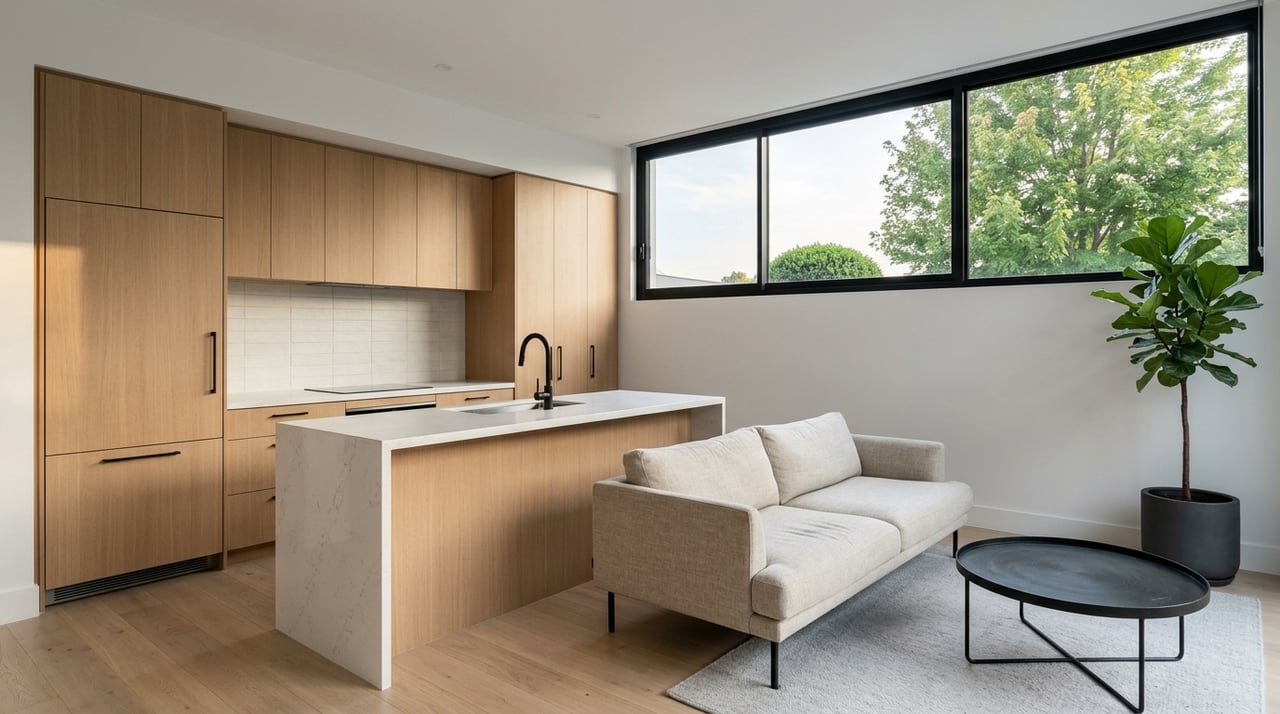
Weymouth Single Family vs Condo: How to Choose
Buying in Weymouth often starts with one big question: should you choose a single-family home or a condo? If you are trying to balance budget, maintenance, commute needs, and day-to-day lifestyle, the answer is not always obvious. The good news is that Weymouth offers both options across a wide price range, and understanding the tradeoffs can help you make a more confident move. Let’s dive in.
If you are comparing property types in Weymouth, it helps to start with the broader market. As of spring 2026, Weymouth sits in the mid-to-high $500,000s on broad market measures, with Redfin reporting a median sale price of $595,000 in March 2026 and Zillow showing an average home value of $613,427. Homes are also moving fairly quickly, with reported timelines ranging from about 16 days pending to roughly 35 days on market.
Inventory is also fairly limited. Zillow search results in early May 2026 showed 34 single-family listings and 13 condo listings in Weymouth. That means if you find a property that fits your goals, you may need to act decisively.
In Weymouth, condos usually offer the lower entry point. Current condo listings range from about $259,900 to $859,000, and Redfin’s condo market page places the median condo listing price at $410,000. For many buyers, that makes a condo the more accessible path into homeownership.
Single-family homes generally sit in a higher and wider price band. Recent listings range from about $450,000 for a smaller house to $1.725 million for a higher-end waterfront property, with many three-bedroom homes clustering around $525,000 to $700,000. If your budget has some flexibility and you want more control over the property, that broader range may work in your favor.
At first glance, the lower condo purchase price can look like the obvious value. But your monthly ownership cost matters just as much as the sale price. In Weymouth, some higher-amenity condos can narrow the cost gap once fees are added.
A single-family home may cost more upfront, but it avoids a condo association fee. A condo may cost less upfront, but the monthly budget can be higher than expected depending on the building and what the fee covers. That is why it helps to compare the full monthly picture, not just the list price.
One of the biggest differences between a condo and a single-family home is how upkeep gets paid for and managed. Under Massachusetts condominium law, the condo organization is responsible for common-area management and repair, and it must maintain an adequate replacement reserve fund. In practical terms, that means condo ownership usually includes a required monthly fee that supports shared property needs.
Some current Weymouth condo listings show monthly HOA fees around $904 and $957. One listing notes that the fee includes all utilities except cable and Wi-Fi, along with amenities such as a pool, fitness center, garage parking, and a package room. Depending on the property, that may simplify your monthly planning.
With a single-family home, you are usually responsible for maintenance and repairs directly. That can include small repairs, seasonal upkeep, and larger capital items over time. You gain more control, but you also take on more responsibility for timing, coordination, and cost.
A condo fee is not automatically a bad thing. In many cases, it shifts expenses you would otherwise handle yourself into one predictable monthly payment. That can be appealing if you prefer less hands-on property care.
Still, you want to look closely at what the fee includes. A lower-priced condo with a high monthly fee may not be as affordable as it first appears. The better comparison is your total monthly carrying cost, including mortgage, taxes, insurance, and any HOA dues.
A single-family home gives you more independence, but it also means you are the one planning for repairs and replacements. If a roof, heating system, or exterior issue comes up, there is no association handling it for you. Some buyers prefer that freedom, while others prefer the predictability of condo living.
In Weymouth, this tradeoff is especially important because many buyers are stretching to enter the market. A home that feels manageable on paper should still leave room in your budget for the real costs of ownership.
Location can matter just as much as property type. Weymouth has strong commuter access for a South Shore town, with three MBTA commuter rail stations: Weymouth Landing/East Braintree and East Weymouth on the Greenbush Line, plus South Weymouth on the Kingston/Plymouth Line. According to the town, travel time to South Station is about 30 minutes from Weymouth Landing/East Braintree and South Weymouth, and about 35 minutes from East Weymouth.
The town also lists MBTA bus routes 220, 221, 222, 225, and 226. For buyers who want options for getting into Boston or around the area, that transit access can be a real plus. Station parking is another practical detail, with 290 spaces at Weymouth Landing/East Braintree, 335 at East Weymouth, and 543 at South Weymouth.
If your routine includes commuting or you want easier access to local amenities, a condo near a station area may stand out. Weymouth Landing is the clearest example of a transit-oriented area, with the town noting restaurants within walking distance of homes, apartment buildings, and the commuter rail station. For some buyers, that means less driving and a simpler daily routine.
This can be especially appealing if you are downsizing or if you want a more lock-and-leave lifestyle. A condo in a convenient location may offer a strong mix of access, lower maintenance, and a lower purchase price than a single-family home nearby.
Single-family buyers often value rail access too, but many will still rely heavily on a car for everyday errands. Redfin gives Weymouth a Walk Score of 37, which suggests most trips are still easier by car. So even if you choose a detached home, being near a station or a useful road connection can still shape your day-to-day convenience.
For many buyers, the real question is not just condo versus house. It is whether the location supports the way you actually live.
The right choice usually comes down to your priorities, not just the numbers. In Weymouth, condos often make sense for buyers who want a lower entry price and less direct maintenance. Single-family homes often make sense for buyers who want more autonomy and are comfortable taking on repairs and property care.
If you are deciding between a condo and a single-family home in Weymouth, try comparing each option across the same set of questions. That keeps the decision grounded in your real budget and routine instead of emotion alone.
Ask yourself:
A clear side-by-side comparison often makes the answer easier. In this market, both property types can work well, but they solve different problems.
In Weymouth, condos are usually the lower-cost and lower-maintenance path into ownership. Single-family homes usually offer more control, more direct responsibility, and a larger budget commitment. Neither option is automatically better. The better fit is the one that matches your finances, your commute, and how involved you want to be in property upkeep.
If you are weighing homes in Weymouth and want a practical, local perspective on what makes the most sense for your goals, Matthew Langlois can help you compare options with a clear plan.






From start to finish, Matthew will be your advocate, ensuring a smooth transaction that fits your timeline. He has a genuine love for what he does and takes pride in helping his clients achieve their goals.