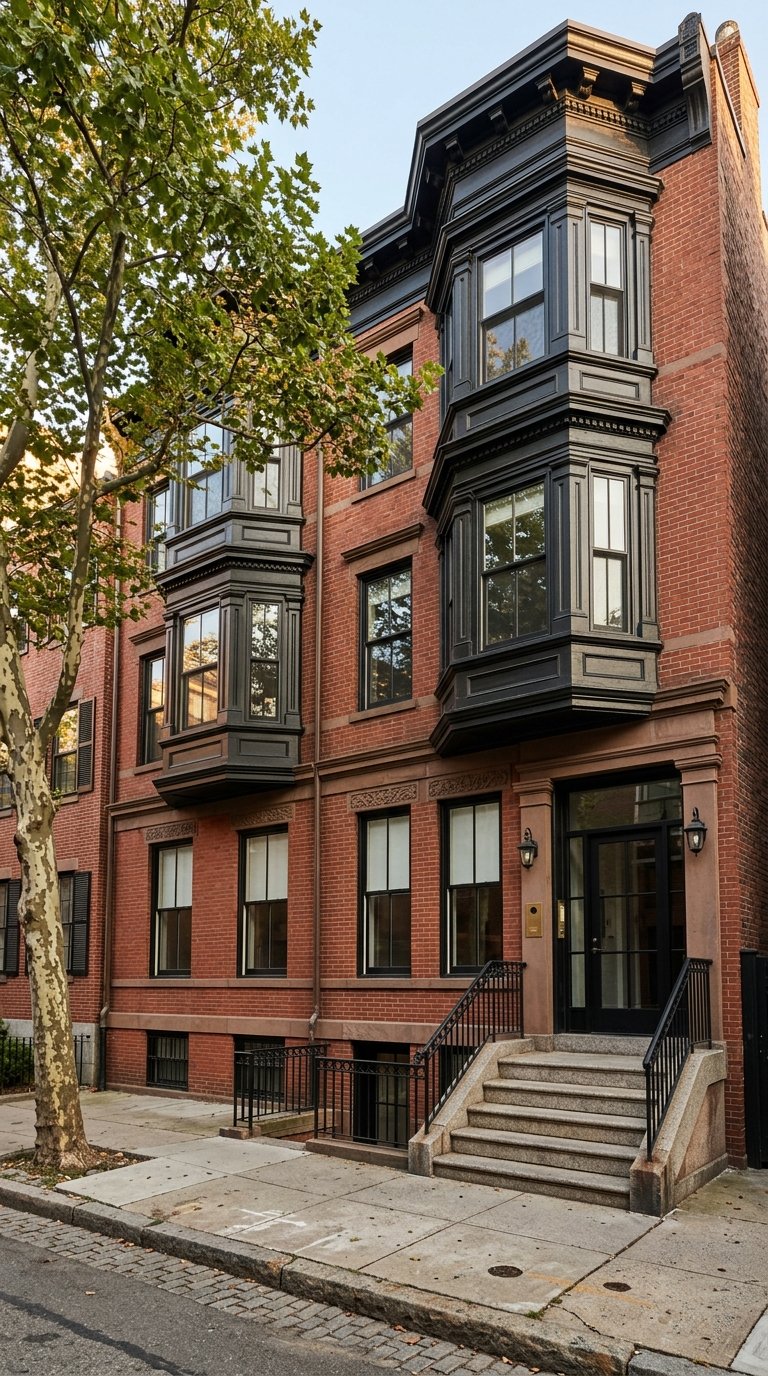
Are Boston Student Rental Condos Worth Investing In?
If you are thinking about buying a condo near Boston’s major campuses, the first question is not whether student demand exists. It does. The real question is whether the numbers, condo rules, and city requirements make sense for your goals. This guide breaks down where Boston student rental condos can work, what to watch in Allston, Brighton, and Fenway, and how to underwrite a deal with clear eyes. Let’s dive in.
Boston has one of the deepest student renter pools in the country. Simmons University says the city has about 160,000 college students and more than 50 colleges and universities. That kind of steady academic footprint helps support repeat rental demand year after year.
In the neighborhoods most tied to this strategy, the campus anchors are easy to see. Fenway is closely connected to Simmons, Berklee, and Boston Conservatory at Berklee. Brighton and Allston also benefit from access to Boston College and Boston University, especially along major transit and campus corridors.
For investors, that creates a market where occupancy often leads the story. In other words, many buyers are not chasing huge monthly cash flow. They are buying into a rental base that tends to stay active because of location, transit access, and consistent off-campus housing demand.
The strongest student condo investments in Boston usually fit how renters actually live. In Allston and Fenway, larger 3- to 5-bedroom units are often driven heavily by off-campus housing demand. That is why roommate-friendly layouts can outperform smaller investor studios in these submarkets.
That does not mean every bigger unit is automatically a better deal. You still need the right building, the right condo documents, and a realistic expense picture. But if your unit layout matches the way students and roommates search for housing, you may have a better shot at consistent leasing.
A few features matter most:
Allston stands out as one of the more demand-driven student rental areas in Boston. Boston Pads reports a 2026 vacancy rate of 1.66%, an average rent of $3,062, and median days on market of 29. That points to active leasing demand, even if the exact pace can shift by unit type and season.
For condo investors, Allston can offer the closest path to monthly break-even among the three neighborhoods covered here. Redfin shows a median condo listing price of $555,000, while Boston Pads reports average 2-bedroom rent of $3,370. Based on those figures, the rough gross rent yield is about 7.3% before expenses.
That relative pricing is why Allston often gets attention from investor buyers. It is still a tight-margin play, but it may offer a better balance of entry price and rent than some nearby alternatives.
Brighton sits in the middle for many investors. Boston Pads reports a 2026 vacancy rate of just 0.71%, average rent of $3,234, and median days on market of 58. That low vacancy suggests a tight rental environment, even though leasing speed can vary.
On the purchase side, Redfin shows a median condo listing price of $530,000, and Boston Pads shows average 2-bedroom rent of $3,020. That works out to a rough gross rent yield of about 6.8% before expenses.
Brighton can still make sense if you are focused on long-term hold strategy, but the monthly math is often less forgiving than Allston. If condo fees are high, your carry can get uncomfortable quickly.
Fenway is often the strongest occupancy and location story of the three. Boston Pads reports a 2026 vacancy rate of 1.36%, average rent of $3,076, and median days on market of just 8. That is a fast-moving rental profile, supported by nearby schools and strong transit access.
The challenge is the price point. Redfin shows a median condo listing price of $799,000 in Fenway/Kenmore Square, while Boston Pads reports average 2-bedroom rent of $3,726. That produces a rough gross rent yield of about 5.6% before expenses.
So while Fenway may lease fast, it is usually more of an appreciation-and-occupancy play than a pure yield play. If your goal is stronger monthly cash flow, Fenway often requires more caution.
Current financing and tax costs matter just as much as rent. Using a 20% down payment assumption, Freddie Mac’s latest 30-year fixed rate of 6.36%, and Boston’s FY26 residential tax rate of $12.40 per $1,000 of value, estimated monthly principal, interest, and property tax come out to about:
Against the same neighborhood 2-bedroom rent averages, that leaves Allston roughly $31 positive before HOA, insurance, and repairs. Brighton comes in about $169 negative before those costs. Fenway comes in about $1,081 negative before those costs.
This is the key takeaway for most buyers: Boston student rental condos are often near break-even or negative on monthly cash flow once real expenses are added. If you are buying one of these units, your return may depend more on occupancy, appreciation, and principal paydown than on strong monthly income.
In condo investing, a thin spread can disappear quickly. Research examples from current listings showed HOA charges such as $350 in Allston and $622 in Brighton. When the pre-HOA margin is already tight, those fees can move a deal from acceptable to unattractive.
That is why you should never stop your underwriting at rent versus mortgage. Condo fees, insurance, repairs, and turnover costs all need to be in the model. In this part of Boston, a property that looks good at first glance can feel very different after full carrying costs are added.
For Boston student rental condos, rental rules are document-driven. Massachusetts says condominiums are privately owned and governed by the master deed, deed, bylaws, and Chapter 183A. Unit owners must comply with the bylaws and lawful covenants, conditions, and restrictions in the master deed or unit deed.
That means you should confirm exactly what the association allows before you commit. Do not assume a unit can be rented the way you want just because another owner rents theirs. Leasing caps, minimum lease terms, move-in rules, and occupancy-related restrictions can all affect your strategy.
This is especially important for student-oriented properties, where annual turnover may be more common. A building that is less rental-friendly can create friction even if the neighborhood demand is strong.
Owning a rental condo in Boston also means following city and state requirements. Boston requires rental property registration every year by July 1. The city says you must register even if the unit is vacant, being renovated, or not collecting rent, and late registration can trigger a $300 monthly penalty.
Boston also inspects registered rental property at least once every five years. For many investors, that is one of the biggest differences between owning a Boston rental and owning in a suburban market. Compliance is part of the investment, not an optional extra.
A few other rules are worth noting:
One more underwriting point matters here. Boston’s FY26 residential tax rate is $12.40 per $1,000 of value, and the residential exemption is limited to owners who occupy the home as their principal residence. If you are buying as a rental investor, you should underwrite the full residential tax rather than an owner-occupied exemption.
If you are comparing opportunities in Allston, Brighton, or Fenway, keep your review focused on a few practical questions.
Ask whether the bedroom count and floor plan fit actual student demand. In these neighborhoods, roommate-friendly layouts often align better with off-campus housing patterns than very small units. A layout that works well for shared living may support stronger leasing consistency.
Run the numbers with mortgage, full residential tax, HOA, insurance, and a repair budget. If the deal only works when you ignore condo fees or assume perfect occupancy, it may not be strong enough. Tight-margin assets need conservative underwriting.
Read the condo documents carefully. The building may have restrictions that affect lease terms, tenant occupancy, or rental percentage limits. In a student-adjacent rental strategy, those details can make or break the investment.
Each area has a different investment profile:
| Neighborhood | Core strength | Main risk |
|---|---|---|
| Allston | Best chance at near break-even | Thin margin after HOA and repairs |
| Brighton | Tight rental market | Often modest monthly drag |
| Fenway | Fast leasing and strong location | Higher pricing and weaker yield |
The most accurate way to view student rental condos in Boston is as a demand-and-occupancy play first, and a cash-flow play second. The student base is real, the neighborhood demand is real, and the leasing cycle is shaped heavily by the academic calendar. But strong demand does not automatically mean strong monthly income.
If you buy well, choose the right layout, and understand the condo and compliance side, this can still be a smart long-term hold. You just want to go in with a clear plan for where your return is likely to come from.
If you want help evaluating a student rental condo in Boston, Matthew Langlois offers practical market insight, investor-focused guidance, and a responsive, phone-first approach to help you underwrite opportunities with confidence.



From start to finish, Matthew will be your advocate, ensuring a smooth transaction that fits your timeline. He has a genuine love for what he does and takes pride in helping his clients achieve their goals.