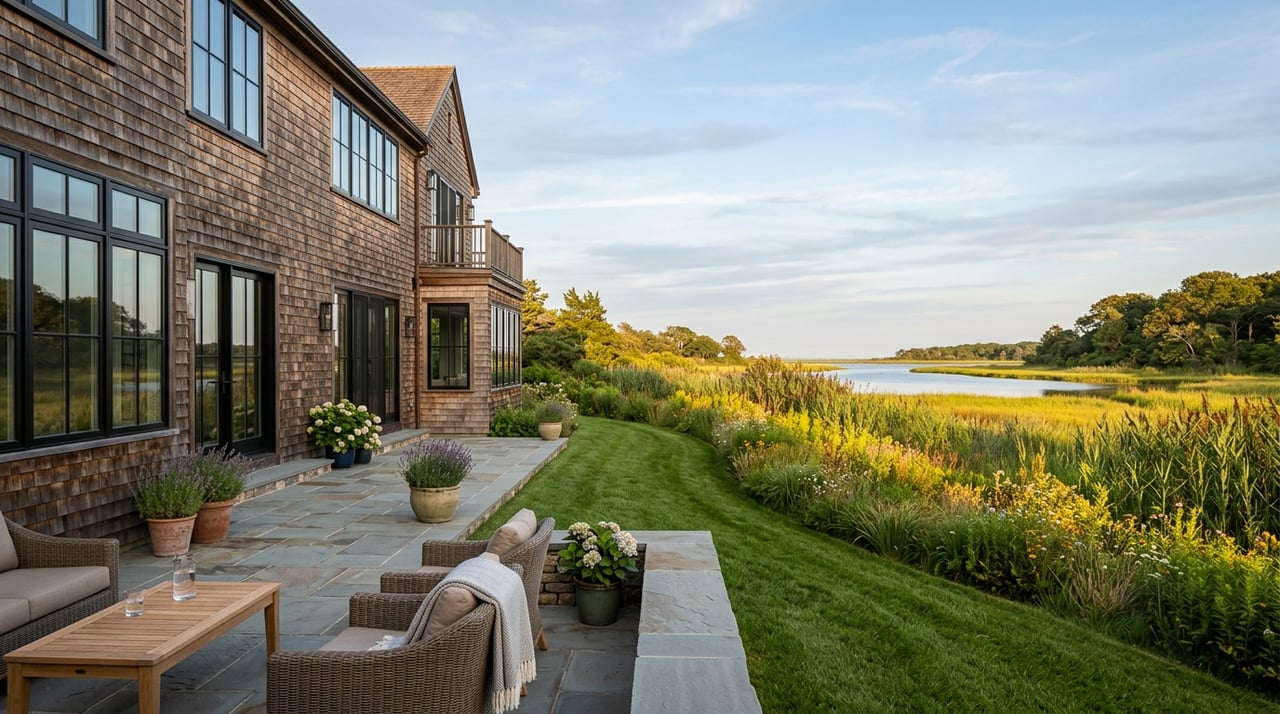
A Guide to Weymouth Waterfront Living and Greenways
If you picture one big downtown waterfront, Weymouth might surprise you. Life here is shaped by a network of shoreline parks, beaches, riverfront trails, and village centers that each serve a different part of your day. If you are trying to understand what it feels like to live near Weymouth’s waterfront and greenways, this guide will help you see how the town’s layout, recreation options, and housing patterns fit together. Let’s dive in.
Weymouth has 12.5 miles of waterfront and more than 700 acres of parks and conservation land managed by the town. That creates a lifestyle built around many access points instead of one single harbor district.
For you, that means waterfront living in Weymouth can look different from one area to the next. One block may feel close to beaches and launch points, while another may be more connected to trails, village errands, or commuter access.
If your goal is to be near the water day to day, North Weymouth is the part of town most closely tied to that experience. This is where many of Weymouth’s best-known shoreline amenities come together, including beaches, peninsula parkland, and trail connections.
The town also describes Bicknell Square as North Weymouth’s focal point for business, history, and social interaction. Most businesses there are small and service-oriented, so the overall feel is more local and practical than dense or highly commercial.
Great Esker Park is one of the biggest draws in town for outdoor recreation. The town lists a canoe and kayak launch, a fishing pier, trails, walking paths, and water views, and town trail materials describe it as a 237-acre park with the highest esker in North America.
If you want easy access to paddling, walking, or time outside near the water, this park gives North Weymouth a strong recreational identity. It is the kind of place that can shape your routine, whether you prefer a morning walk, weekend launch, or a quick stop for views.
Wessagusset Beach and George Lane Beach bring a more traditional beach feel to the area. George Lane Beach is listed by the town as a bathing beach with water views, while Wessagusset Beach includes a sandy beach and a boat-launching area.
This part of Weymouth is also still improving. The town says the Wessagusset Walk project is under construction and expected to be completed in 2026, with plans to improve pedestrian access between the two beaches and add coastal resiliency features.
Webb Memorial State Park gives North Weymouth a different kind of waterfront setting. Mass.gov describes it as a peninsula that extends half a mile into Hingham Bay, with views of Boston Harbor and the skyline.
That creates a more open, scenic park experience than a neighborhood beach. If you enjoy walking, fishing, picnicking, or being out near wide water views, this park adds another layer to the area’s appeal.
Weymouth’s greenway network is a big part of what makes the town feel livable beyond the shoreline itself. You are not limited to beach access alone. Trails, overlooks, and small shoreline connections help link recreation into everyday movement.
That matters if you want more than occasional weekend use. A town with connected paths and riverfront access can make it easier to fit walking and outdoor time into your regular schedule.
Abigail Adams State Park is described by the town as a 0.7-mile loop trail for hiking and walking. Town materials also describe the area as part of a riverfront setting that includes marsh views, a boat ramp, and open grassy areas.
Nearby, the Kibby Property added about 230 feet of shoreline and roughly 600 feet of paved trails to the Back River Trail system. Together, these spaces strengthen the greenway feel along the Back River corridor.
The town says Osprey Overlook Park provides direct access to Great Esker Park and includes a loop walking trail. Weymouth also highlights the Lovell Pedestrian Bridge as part of an expanding route that helps connect the Back River Trail network toward the commuter rail station and Osprey Overlook Park.
For you, that means trail access is not static. Weymouth is continuing to improve how parks, waterfront spaces, and everyday destinations connect.
Weymouth does not revolve around one downtown. The town says it has four village centers, and that decentralized setup changes how different parts of town feel.
If you are comparing neighborhoods, it helps to think in terms of lifestyle patterns. Some areas are more shoreline-focused, while others are better suited for errands, dining, or commuting.
Weymouth Landing is the most transit-connected village center in town. The Weymouth Landing/East Braintree station is on the Greenbush Line, and the town lists a 30-minute trip to South Station.
The area also includes local restaurants within walking distance of housing and the station. If you want a routine that leans more toward train access and day-to-day convenience, this part of Weymouth often stands out.
Columbian Square works well as an everyday commercial hub. The town describes it as having a mix of small retail shops and service-oriented businesses, with nearby housing that includes single-family homes and apartment buildings.
This is the part of Weymouth to think about if your priority is practical access. Errands, appointments, and short neighborhood trips tend to define the experience here more than waterfront recreation does.
Bicknell Square is smaller and more linear than the other village centers. The town says commercial activity here is shaped by Route 3A traffic, with most businesses remaining service-oriented and single-family homes surrounding the square.
That makes it a useful reference point if you want proximity to North Weymouth’s coastal side without expecting a large downtown environment. It feels more like a local service area tied to surrounding residential streets.
Weymouth’s official profile says housing is made up mostly of single-family homes in established neighborhoods, with large apartment and condominium complexes interspersed. That mix helps explain why the town can appeal to people looking for different versions of South Shore living.
Some areas feel more beach-forward and residential. Others feel more transit-oriented or village-centered, with apartment, condo, and newer development options mixed in.
One of Weymouth’s defining features is that coastal amenities are spread across established neighborhoods rather than concentrated in one waterfront district. If you want access to parks, beaches, and launch points, you may find that experience in several different residential settings.
That is useful if you are trying to match lifestyle first and home type second. In Weymouth, being near the water does not automatically mean the same streetscape or the same daily rhythm everywhere.
If you are less focused on shoreline access and more interested in open space, Union Point offers a different pattern. The town describes it as a 1,400-acre smart-growth site with 4,000 residential units, 1,000 acres of open space, and 50 miles of hiking and biking trails.
This gives Weymouth another lane for buyers and residents who want green space and trail access without centering their search on the coast. It is a reminder that outdoor-oriented living here extends inland too.
Living near Weymouth’s waterfront and greenways is less about one postcard view and more about how you use the town every week. You might spend time at Great Esker Park, walk the Back River corridor, head to Wessagusset Beach, or balance shoreline access with a train commute from Weymouth Landing.
That flexibility is part of the appeal. Weymouth gives you a mix of established neighborhoods, practical village centers, and outdoor access points that support different priorities without forcing everything into one setting.
If you are weighing where to live, invest, or eventually sell in Weymouth, it helps to look beyond a map label and focus on how each area supports your routine. For local insight on how Weymouth’s neighborhoods, parks, and housing patterns line up with your goals, connect with Matthew Langlois.


From start to finish, Matthew will be your advocate, ensuring a smooth transaction that fits your timeline. He has a genuine love for what he does and takes pride in helping his clients achieve their goals.