Norwell Listing Preparation Guide for a Stronger Launch
Selling in Norwell is rarely just about putting a sign in the yard and hoping for the best. In a town where most homes are single-family, owner-occupied, and often older, buyers tend to notice condition, maintenance, and presentation right away. If you want your home to make a strong first impression online and in person, a smart prep plan matters. Here’s how to move from the first walk-through to photo day with a process that feels organized, practical, and market-aware.
Norwell’s housing stock sets the tone for how buyers shop. The town’s 2025 Housing Production Plan says 91% of homes are single-family, 91% of occupied units are owner-occupied, and 35.5% of the housing stock was built before 1960. That means many listings compete against homes with character, but also homes where upkeep and updates can become part of the buyer’s decision.
The market also remains relatively tight. Recent data shows a median sale price of $914,528 and a median of 21 days on market, with 25 homes for sale in March 2026. In that kind of environment, buyers still move quickly, but they also compare details carefully, especially in the first few days a listing hits the market.
Your first walk-through should be less about perfection and more about priorities. The goal is to identify the items that will affect first impressions, photos, showings, and buyer confidence. In Norwell, that often means separating simple high-impact fixes from projects that are unlikely to pay off before you list.
A practical walk-through usually focuses on three buckets:
Because so much of Norwell’s housing stock is older, small signs of deferred maintenance can stand out fast. Buyers may notice chipped paint, loose trim, worn caulk, dated hardware, or finishes that feel tired. Those details may seem minor to you, but together they can make a home feel less cared for.
If you are deciding where to spend time and money, start with what is obvious. The most common pre-listing recommendations in 2025 were decluttering, cleaning the entire home, and improving curb appeal. More than half of agents who did not stage still recommended decluttering or correcting property faults.
That tells you something important. Before you think about major remodels, make sure the basics are strong. In many cases, the highest-value prep work is simple, visible, and relatively affordable.
Use your walk-through to flag items like:
This is where hands-on property knowledge matters. A short repair list completed well often does more for your launch than a rushed, expensive project that never quite gets finished.
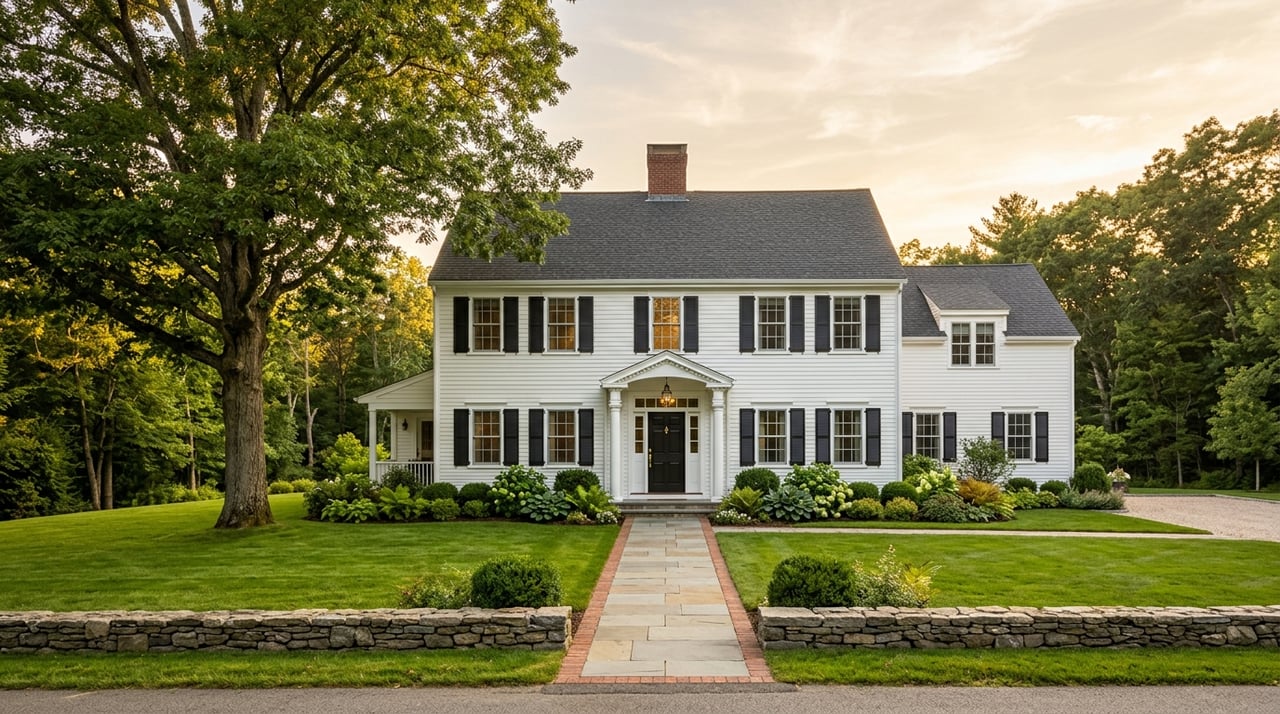
Curb appeal is one of the most effective places to start. In a 2025 report, 97% of NAR members said curb appeal is important to attracting a buyer, and 92% said they recommend curb appeal improvements before listing.
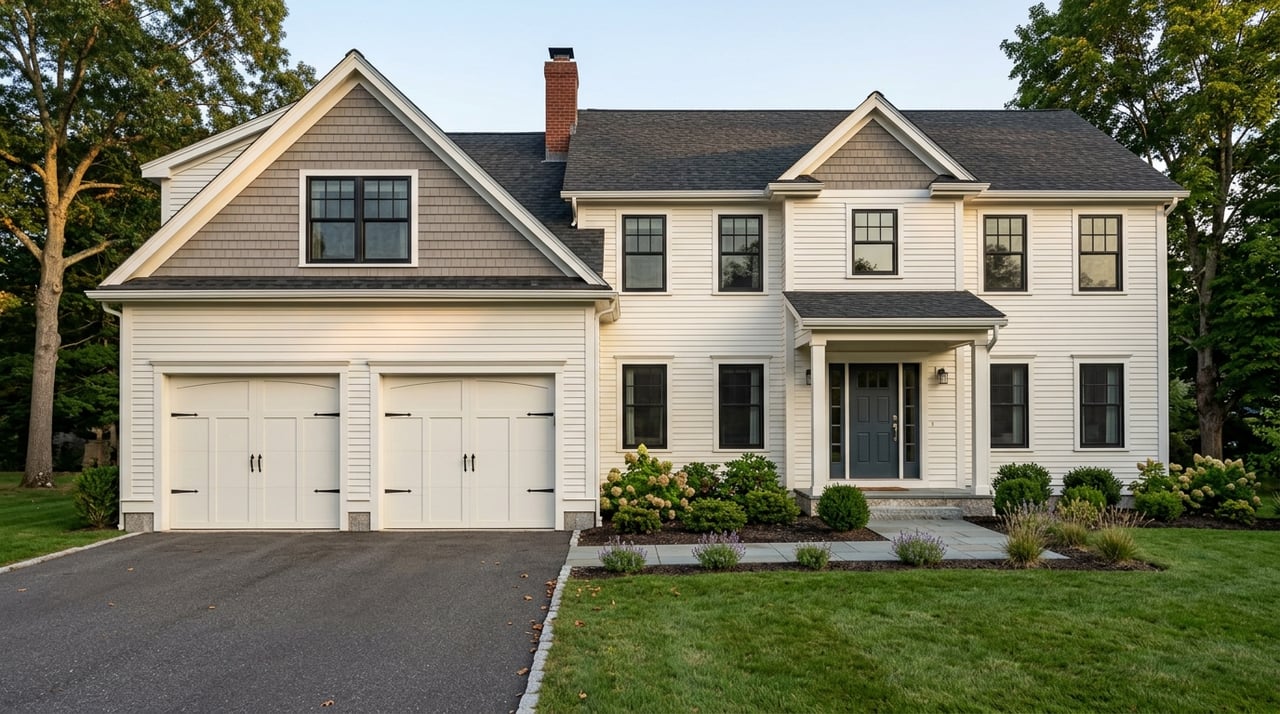
That matters even more in Norwell, where detached homes dominate the market and buyers often form their first opinion before they ever step inside. Your front yard, entry, driveway view, and exterior condition all help set expectations for the rest of the showing.
If you are choosing among small exterior projects, replacement-style improvements tend to outperform large interior remodels right before resale. Zonda’s 2025 Cost vs. Value report ranked garage door replacement, steel entry door replacement, and manufactured stone veneer as the top three ROI projects nationwide. Garage door replacement, for example, showed an average cost of $4,672 and an average resale value of $12,507.
That does not mean every seller should start replacing doors. It does mean exterior elements that look fresh, clean, and functional often deliver stronger resale impact than discretionary interior upgrades done late in the process.
Before photo day, focus on the basics:
Decluttering is one of the most important steps in listing prep. It helps rooms look larger, cleaner, and easier to photograph. It also helps buyers focus on the house instead of your belongings.
Try to remove anything that interrupts the line of sight or makes storage feel tight. That includes overfilled closets, crowded countertops, oversized furniture, stacks of paperwork, and too many decorative items. The goal is not to make your home feel empty. The goal is to make it feel open and easy to understand.
A clean home reads better in person, but it matters even more in professional photography. Buyers use photos to decide which homes they want to see, and 81% rated listing photos as the most useful feature in their online search. Since the first few days online carry outsized weight, your home should be fully ready before it goes live.
Deep cleaning should happen after repairs and before photos. That way surfaces, windows, floors, kitchens, and baths all look their best in the final images.
Pay special attention to:
Staging works because it helps buyers picture themselves living in the space. In 2025, 83% of buyers’ agents said staging made it easier for buyers to visualize a property as a future home. Sellers’ agents also reported that staging can reduce time on market, and some saw stronger offers as a result.
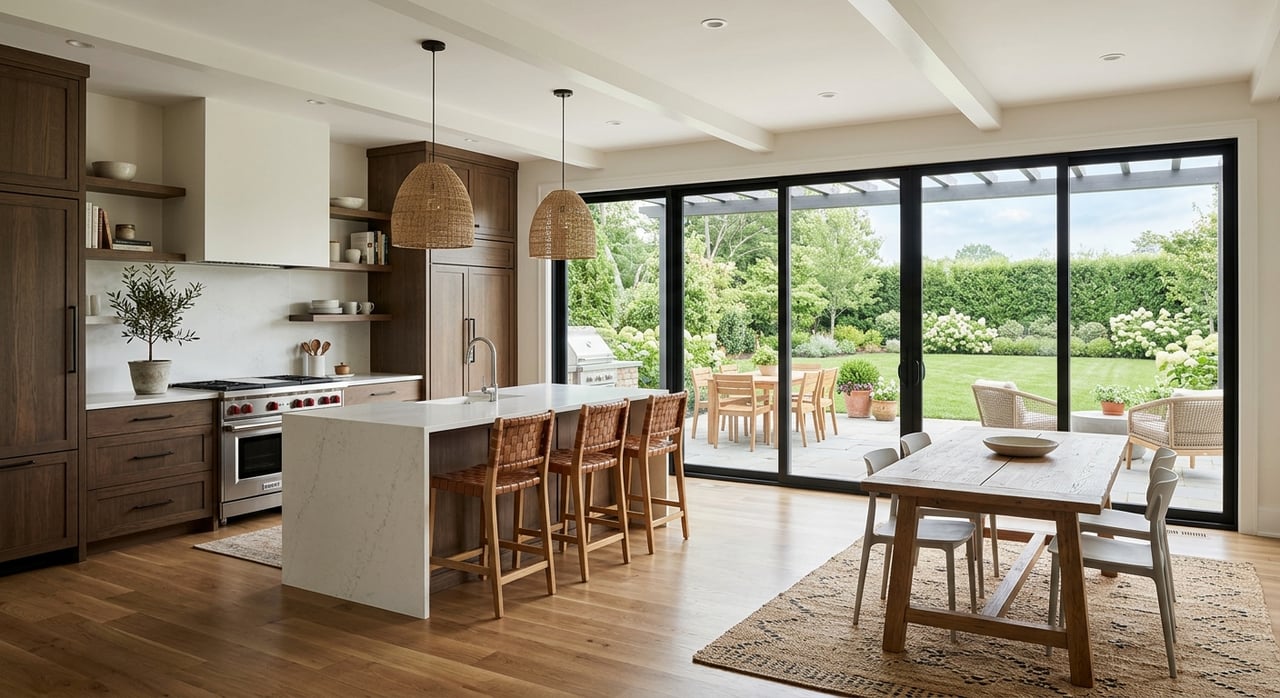
If your time or budget is limited, not every room needs the same attention. The most important rooms to stage are the living room, primary bedroom, and kitchen. Those spaces should be your first priority in a Norwell listing.
Good staging should:
In practice, that may mean removing extra chairs, simplifying shelves, swapping out heavy bedding, or clearing kitchen counters down to just a few intentional items. You want buyers to notice the room, not the setup.
Photo day is not a small task at the end of the process. It is the moment your marketing comes together. Since most listing photos are distributed through the MLS and can flow out to major search sites, accuracy and readiness matter before the listing goes live.
A strong photo set should tell a clear story. In most cases, that story starts with an inviting exterior or entry image, then moves through the living room, kitchen, primary bedroom, major family spaces, and outdoor areas. That sequence reflects how buyers tend to process a home online.
Before the photographer arrives, make sure you:
The goal is simple: your home should feel complete, calm, and ready for attention from the moment the first image appears online.
In Massachusetts, listing prep is not only cosmetic. There are also practical compliance items that can affect timing and negotiations. It is smart to line these up early so your launch does not get delayed.
If your home has a private septic system, Massachusetts Title 5 generally requires an inspection within two years before the sale. If weather prevents the inspection before transfer, it can be completed within six months after the sale if the seller notifies the buyer in writing.
If your home was built before 1978, lead-paint notification rules may apply. That is especially relevant in Norwell, where a significant share of the housing stock was built before 1960.
Sellers should also verify smoke and carbon monoxide alarms before launch. Massachusetts requires a certificate of compliance when selling or transferring a home.
There is also now a separate written disclosure informing buyers that acceptance of an offer is not contingent on waiving a home inspection. That makes the pre-list walk-through even more important, because inspection-related issues are more likely to come into focus during the transaction.
The best listings do not feel rushed. Repairs, disclosures, staging, photos, and MLS details should all be lined up before launch. That way your first week on the market presents the home as polished and complete, instead of still in progress.
In a town like Norwell, that kind of preparation can make a real difference. Buyers are often comparing older single-family homes where condition, care, and presentation are easy to spot. When your home looks organized from the walk-through to photo day, you give yourself a better chance to stand out for the right reasons.
If you’re preparing to sell in Norwell and want a practical plan for repairs, staging, and launch timing, Matthew Langlois can help you build a listing strategy that fits your home and the market.

From start to finish, Matthew will be your advocate, ensuring a smooth transaction that fits your timeline. He has a genuine love for what he does and takes pride in helping his clients achieve their goals.